
Country-wide average for Afghanistan.
Climate by state / province
Month-by-month details
Best time to visit Afghanistan →| Month | TemperatureTemp | RainfallRain | Sunny daysSun | |
|---|---|---|---|---|
| January | 0.1°C32.2°F | 34 mm1.3″ | 20/31 | |
| February | 2.4°C36.3°F | 48 mm1.9″ | 18/29 | |
| March | 8.6°C47.5°F | 65 mm2.6″ | 22/31 | |
| April | 14.5°C58.1°F | 55 mm2.2″ | 24/30 | |
| May | 19.7°C67.5°F | 24 mm0.9″ | 27/31 | |
| June | 25°C77°F | 2 mm0.1″ | 27/30 | + |
| July | 27.4°C81.3°F | 6 mm0.2″ | 28/31 | |
| August | 25.9°C78.6°F | 3 mm0.1″ | 29/31 | + |
| September | 21°C69.8°F | 1 mm0″ | 27/30 | + |
| October | 14.4°C57.9°F | 6 mm0.2″ | 24/31 | |
| November | 7.6°C45.7°F | 15 mm0.6″ | 22/30 | |
| December | 2.7°C36.9°F | 24 mm0.9″ | 21/31 |
Major cities in Afghanistan
Point-value climate at each city — more relevant to travellers than the national average.
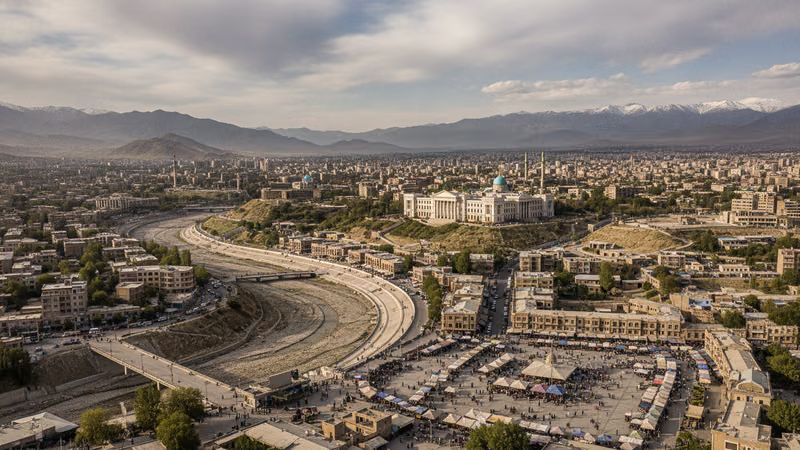 Kabul3.28M people · 280 sunny days / yr
- Kandahar0.72M people · 314 sunny days / yr
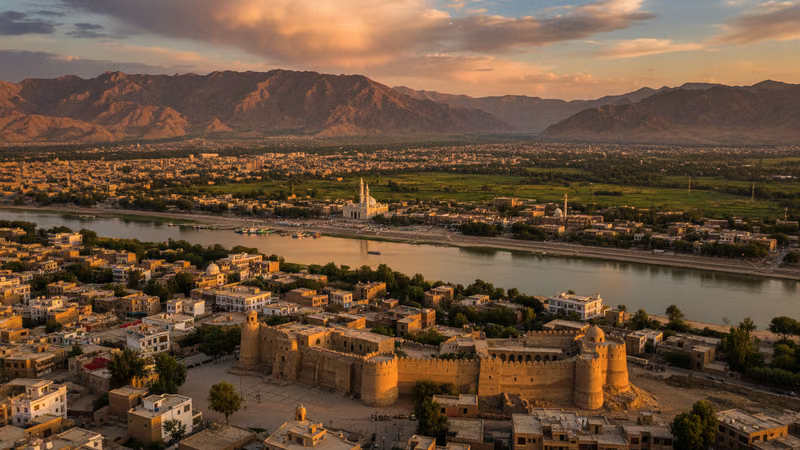 Jalalabad0.60M people · 254 sunny days / yr
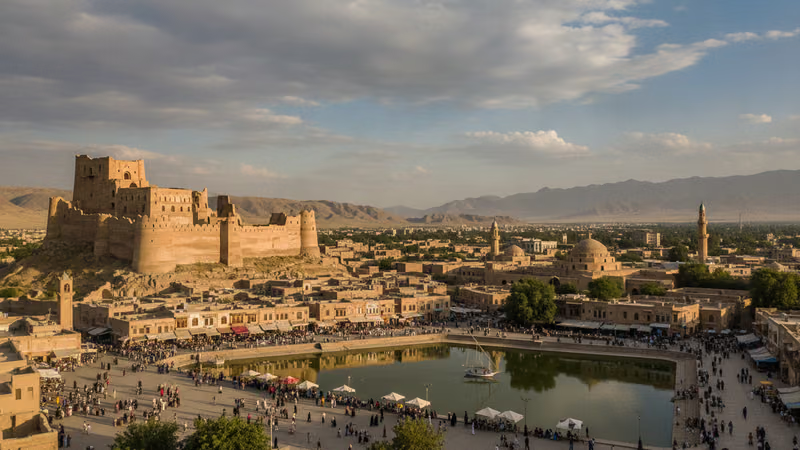 Herat0.48M people · 293 sunny days / yr
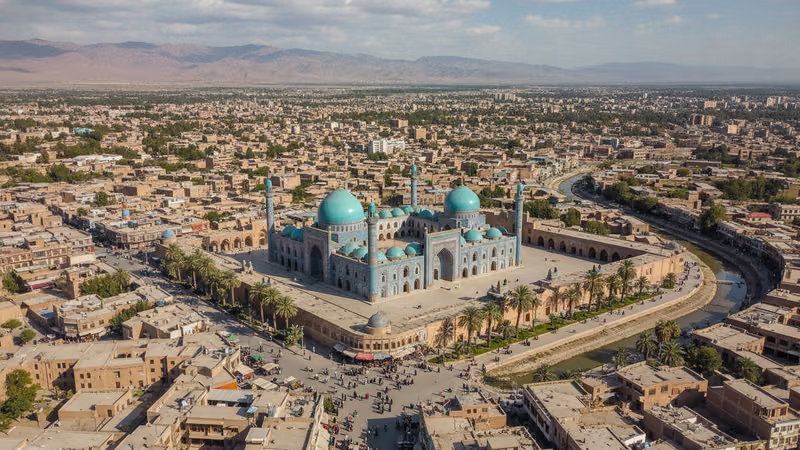 Mazar-i-Sharif0.46M people · 267 sunny days / yr
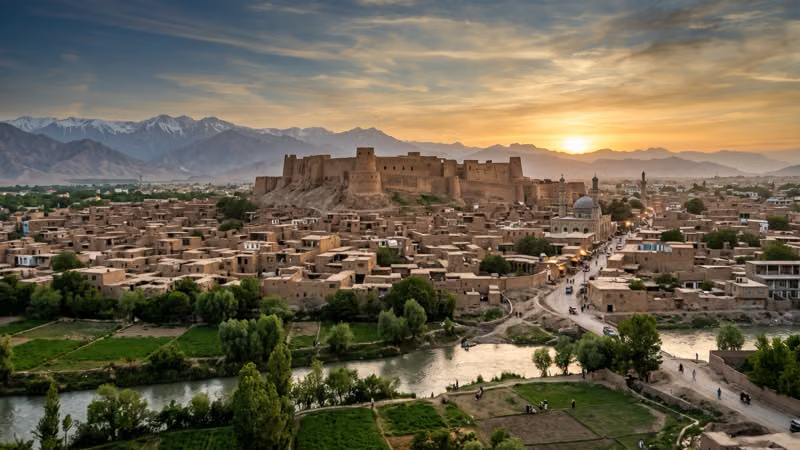 Kunduz0.26M people · 256 sunny days / yr
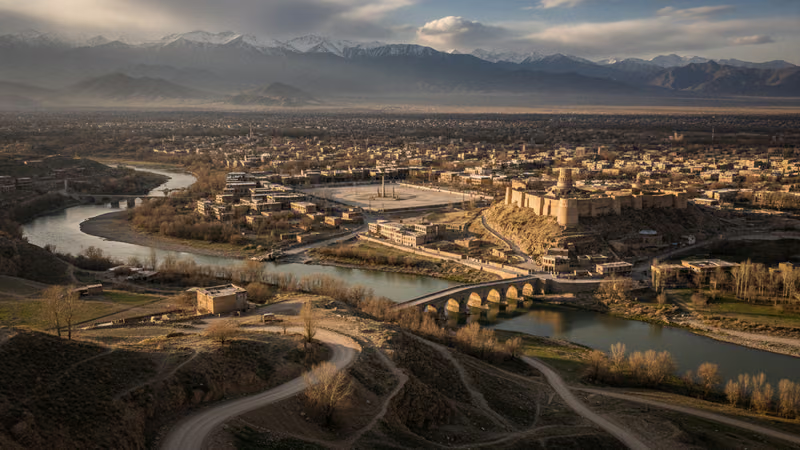 Baghlan0.22M people · 247 sunny days / yr
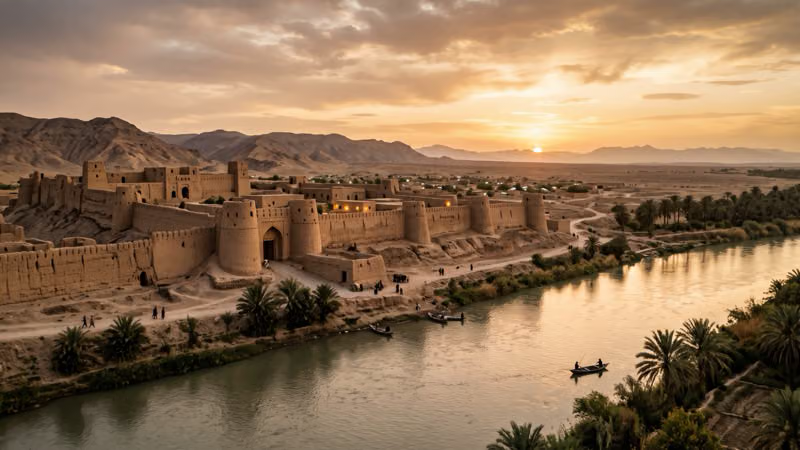 Lashkar Gah0.20M people · 321 sunny days / yr
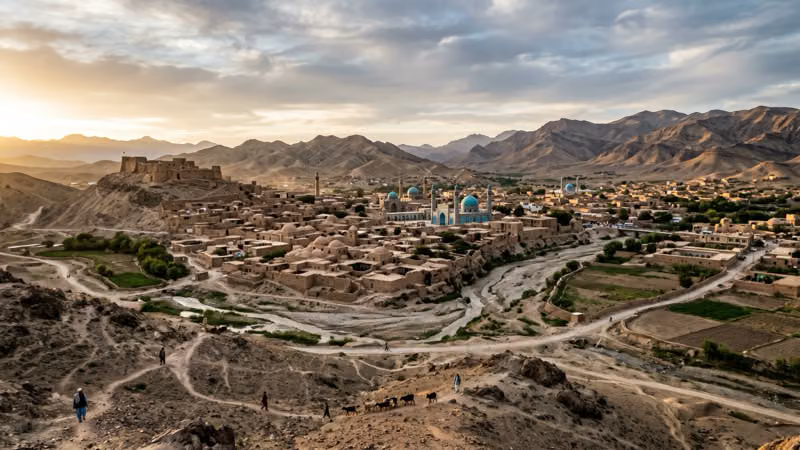 Maymana0.20M people · 259 sunny days / yr
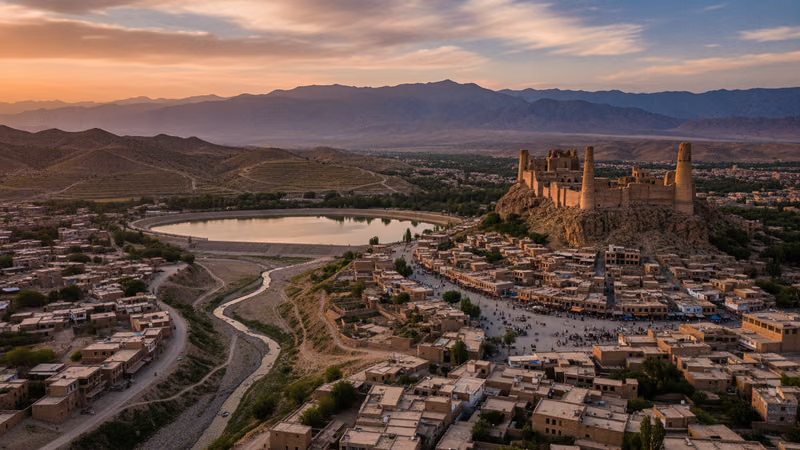 Ghazni0.14M people · 298 sunny days / yr
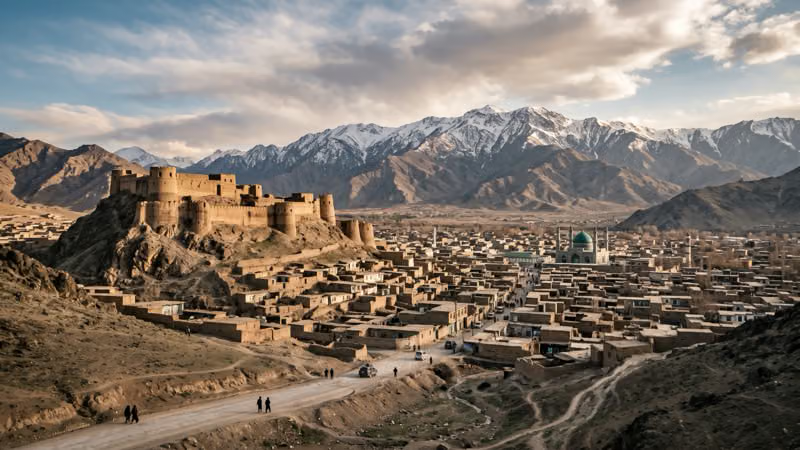 Gardēz0.10M people · 279 sunny days / yr
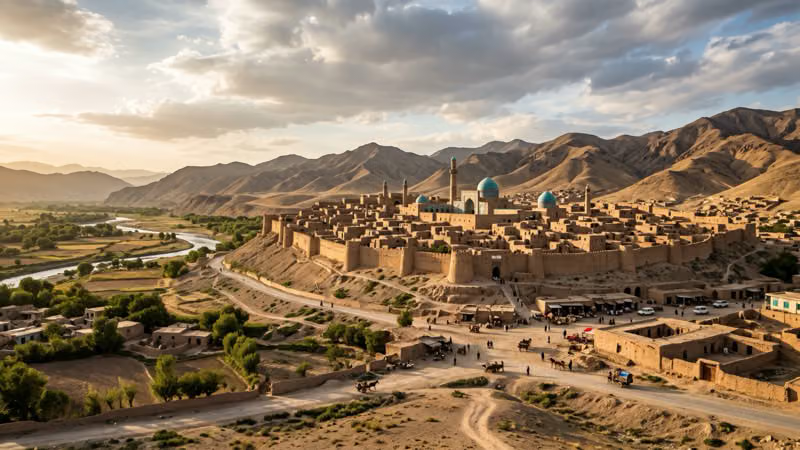 Sheberghan0.09M people · 265 sunny days / yr
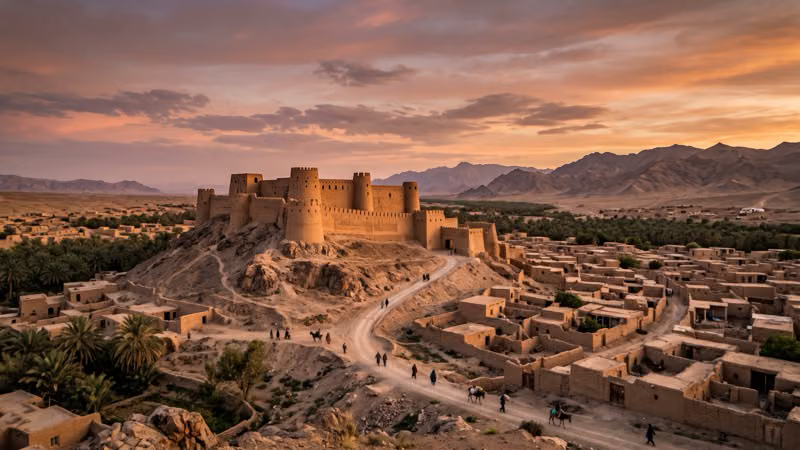 Farah0.07M people · 325 sunny days / yr
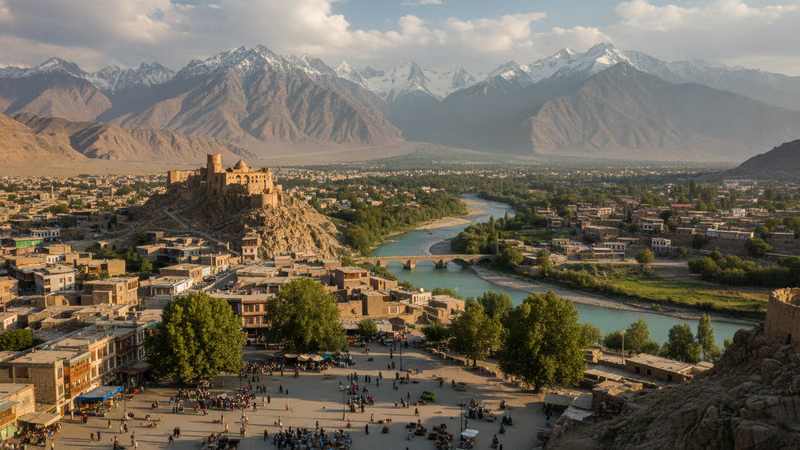 Fayzabad0.06M people · 232 sunny days / yr
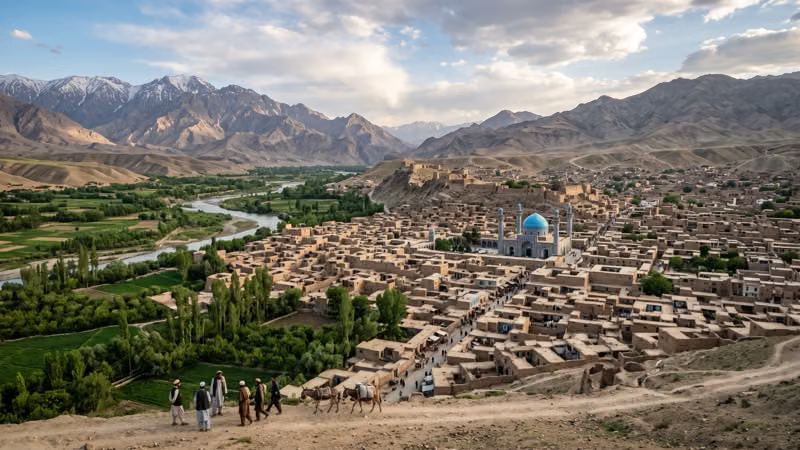 Taloqan0.06M people · 245 sunny days / yr
- Bamyan0.06M people · 299 sunny days / yr
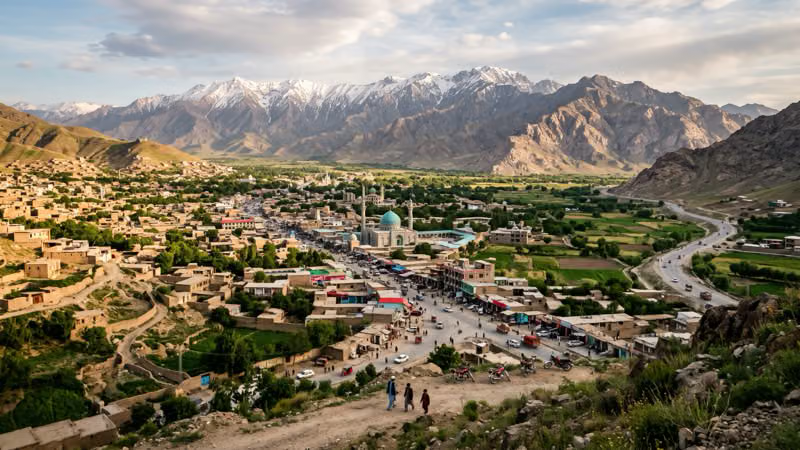 Charikar0.05M people · 273 sunny days / yr
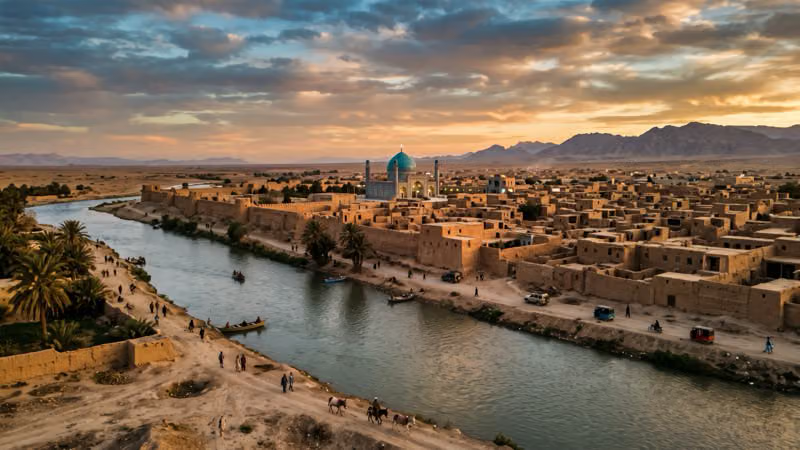 Zaranj0.05M people · 335 sunny days / yr
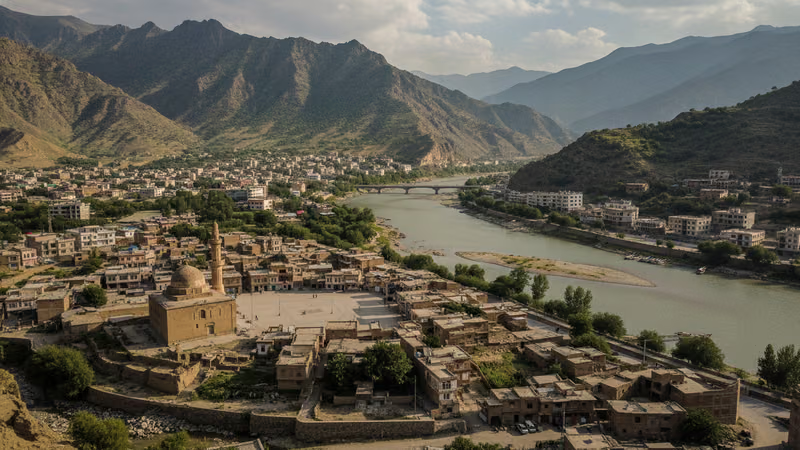 Asadabad0.05M people · 224 sunny days / yr
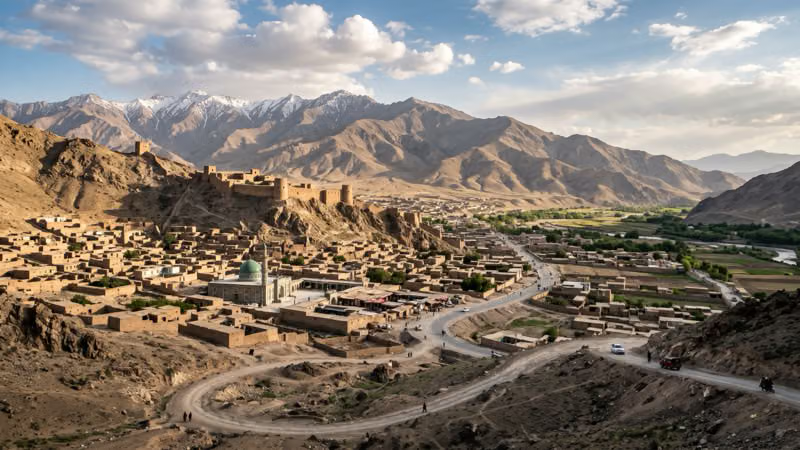 Maidan Shar0.04M people · 284 sunny days / yr


Subdivisions of Afghanistan
See all 32 subdivisions side by side →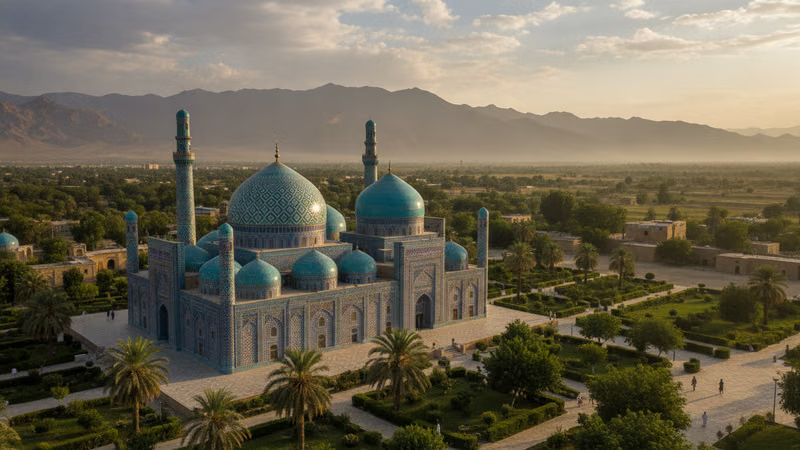
Frequently asked questions
What is the best time to visit Afghanistan?
The best months to visit Afghanistan for sunny, dry weather are May, June, July, August, September, October. The warmest month is July (27.4°C / 81.3°F average), and the driest is September (~1 mm / 0 in rainfall).
What is the climate of Afghanistan?
Afghanistan has country-wide monthly average temperatures ranging from 0.1°C / 32.2°F in January to 27.4°C / 81.3°F in July. Annual rainfall averages about 283 mm / 11.1 in, with the wettest month being March (65 mm / 2.6 in) and the driest September (1 mm / 0 in). Regional variation within Afghanistan can be significant — see subdivision or city pages for detail.
What is the hottest month in Afghanistan?
The hottest month in Afghanistan is July, with a country-wide average temperature of 27.4°C / 81.3°F.
What is the coldest month in Afghanistan?
The coldest month in Afghanistan is January, with a country-wide average temperature of 0.1°C / 32.2°F.
When does it rain most in Afghanistan?
The wettest month in Afghanistan is March, averaging about 65 mm / 2.6 in of rain. The driest is September with about 1 mm / 0 in.
How many sunny days does Afghanistan get?
Afghanistan averages around 289 sunny days per year. The sunniest month is August (29 sunny days out of 31), and the cloudiest is February (18 sunny days). These are derived from ECMWF ERA5 reanalysis radiation fields (1991–2020), calibrated against published climate normals.
About the climate in Afghanistan
Located in Southern Asia, Asia, Afghanistan has a seasonal climate. Country-wide average temperatures range from 0.1°C / 32.2°F in January to 27.4°C / 81.3°F in July, with annual rainfall totalling around 283 mm / 11.1 in — driest in September (1 mm / 0 in), wettest in March (65 mm / 2.6 in). Afghanistan averages about 289 sunny days a year, peaking in August (29) and lowest in February (18). These are national averages; regional variation can be substantial, especially in geographically diverse countries. For city-level detail see the cities section below, and for state or province breakdowns follow the subdivisions link if available.