
Country-wide average for Dominican Republic.
Climate by state / province
Month-by-month details
Best time to visit Dominican Republic →| Month | TemperatureTemp | RainfallRain | Sunny daysSun | |
|---|---|---|---|---|
| January | 23°C73.4°F | 75 mm3″ | 18/31 | |
| February | 23°C73.4°F | 55 mm2.2″ | 16/29 | |
| March | 24°C75.2°F | 60 mm2.4″ | 17/31 | |
| April | 25°C77°F | 80 mm3.1″ | 15/30 | |
| May | 26°C78.8°F | 125 mm4.9″ | 18/31 | |
| June | 27°C80.6°F | 105 mm4.1″ | 18/30 | |
| July | 27°C80.6°F | 110 mm4.3″ | 18/31 | |
| August | 27°C80.6°F | 120 mm4.7″ | 17/31 | |
| September | 26.5°C79.7°F | 130 mm5.1″ | 16/30 | |
| October | 26°C78.8°F | 125 mm4.9″ | 17/31 | |
| November | 25°C77°F | 140 mm5.5″ | 18/30 | |
| December | 24°C75.2°F | 110 mm4.3″ | 18/31 |
Major cities in Dominican Republic
Point-value climate at each city — more relevant to travellers than the national average.
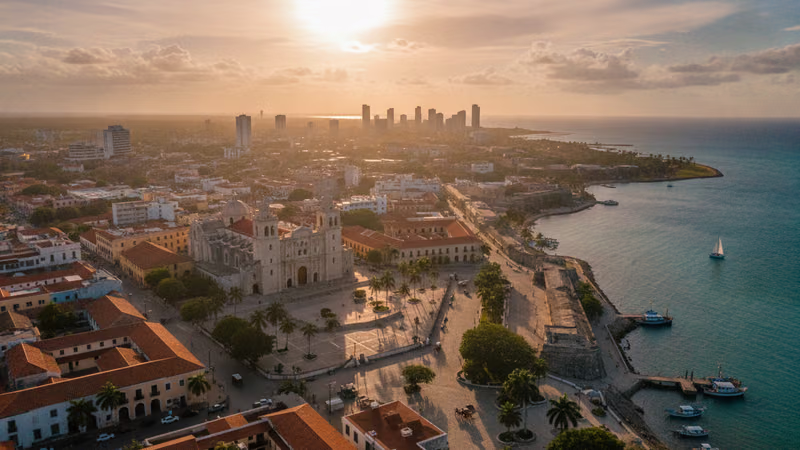 Santo Domingo2.15M people · 185 sunny days / yr
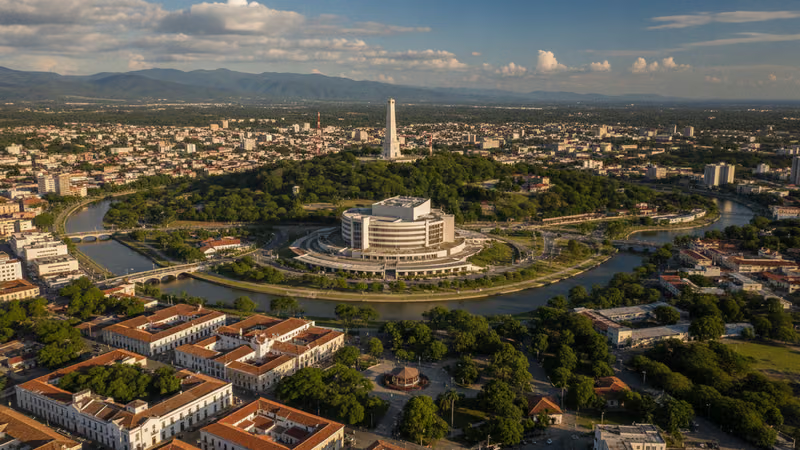 Santiago de los Caballeros1.55M people · 206 sunny days / yr
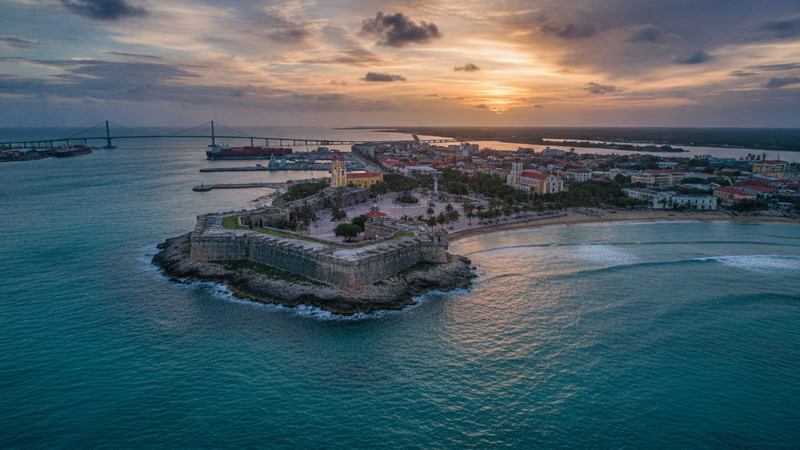 San Pedro de Macorís0.22M people · 181 sunny days / yr
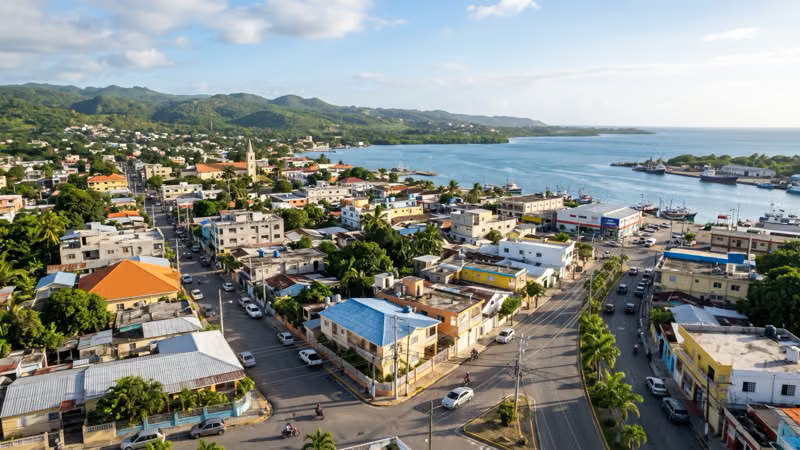 La Romana0.21M people · 196 sunny days / yr
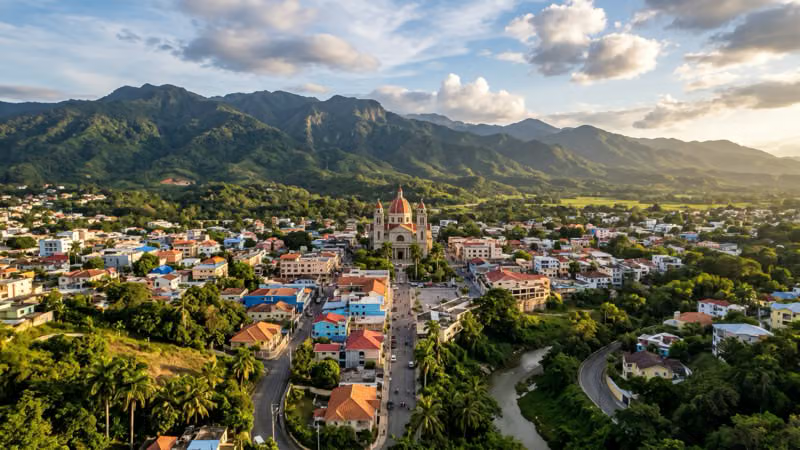 La Vega0.16M people · 175 sunny days / yr
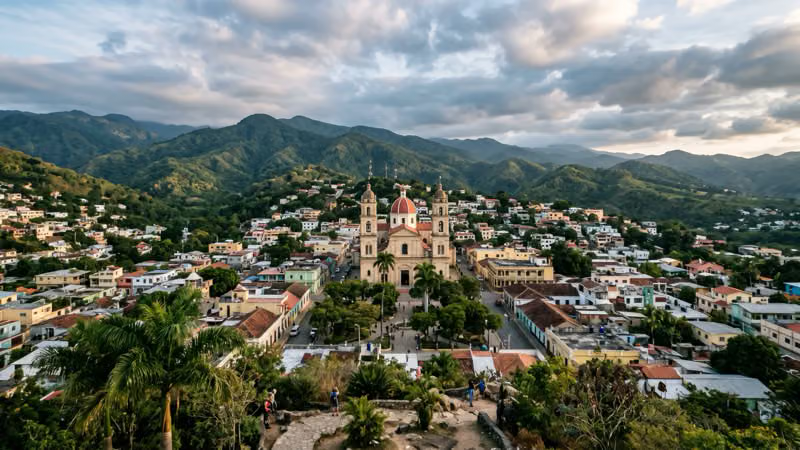 San Cristóbal0.15M people · 185 sunny days / yr
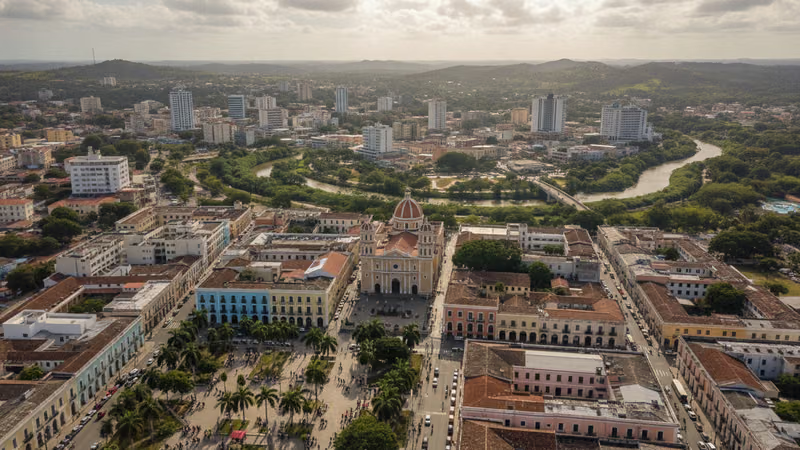 San Francisco de Macorís0.15M people · 168 sunny days / yr
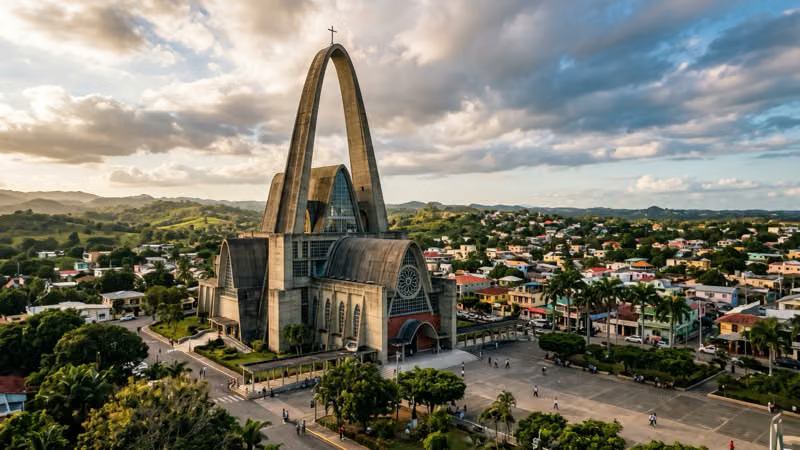 Salvaleón de Higüey0.12M people · 213 sunny days / yr
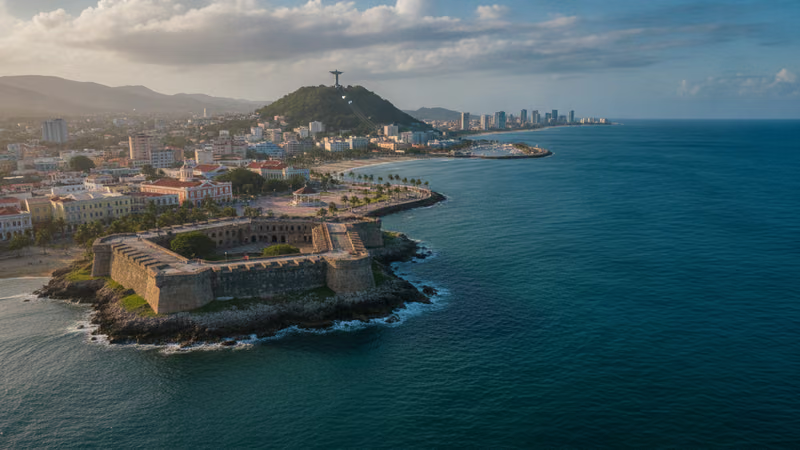 Puerto Plata0.12M people · 235 sunny days / yr
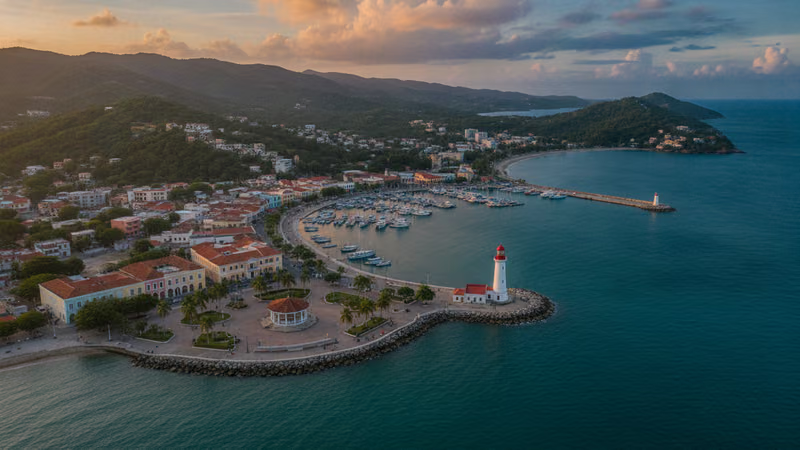 Santa Cruz de Barahona0.09M people · 226 sunny days / yr
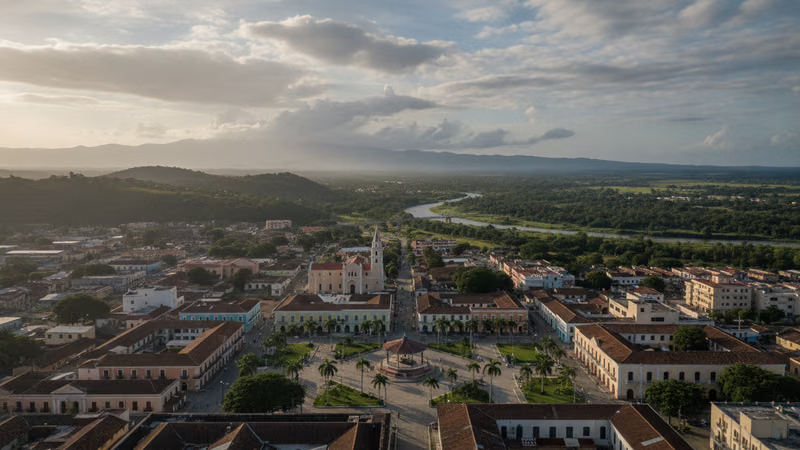 Bonao0.07M people · 163 sunny days / yr
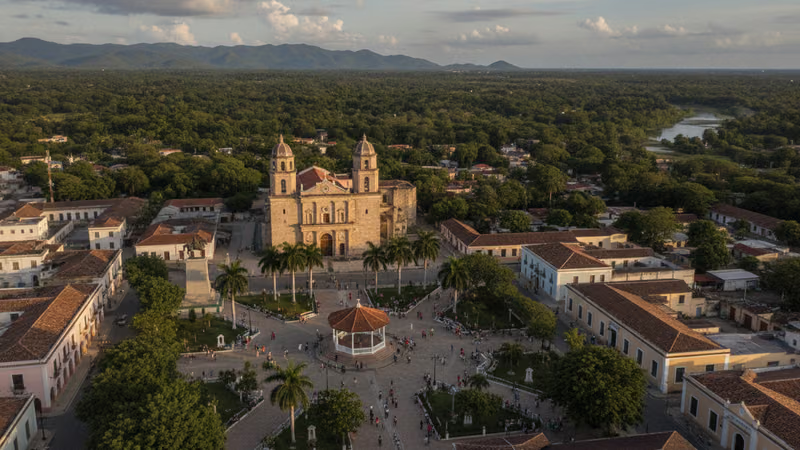 San Juan de la Maguana0.07M people · 198 sunny days / yr
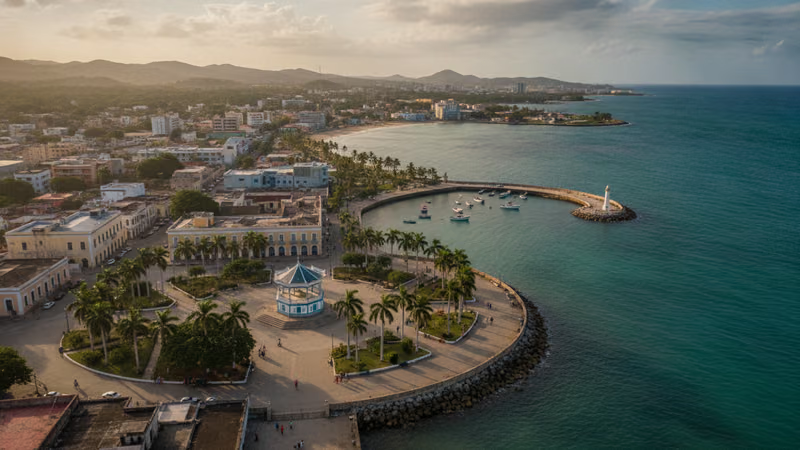 Baní0.07M people · 203 sunny days / yr
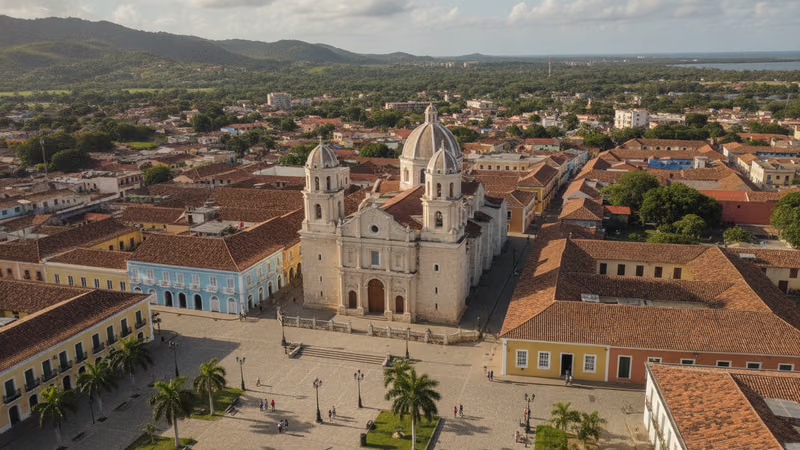 Moca0.06M people · 200 sunny days / yr
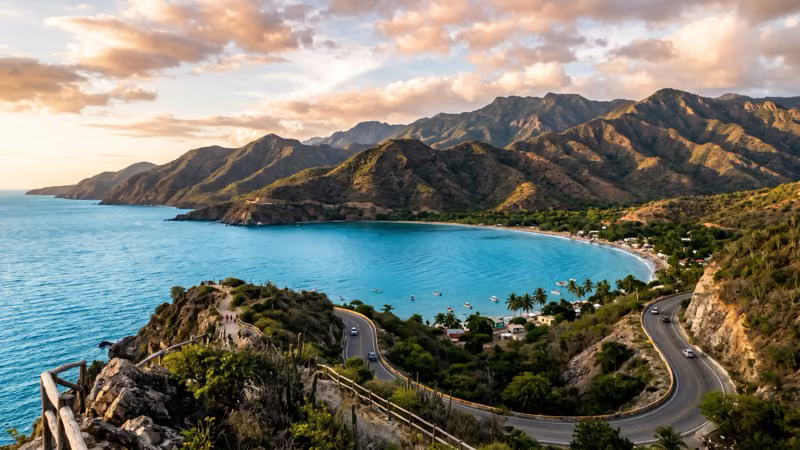 Azua0.06M people · 185 sunny days / yr
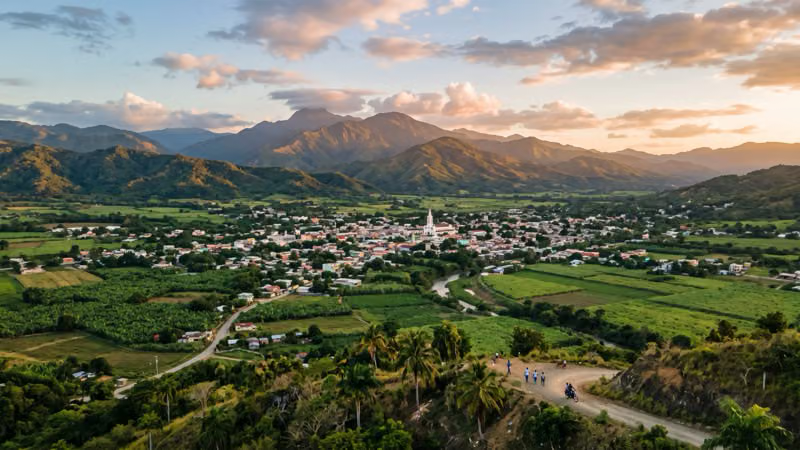 Mao0.05M people · 206 sunny days / yr
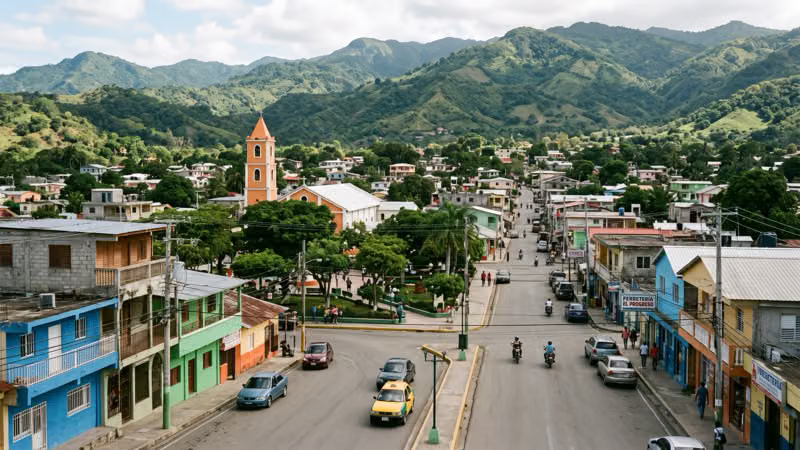 Salcedo0.05M people · 200 sunny days / yr
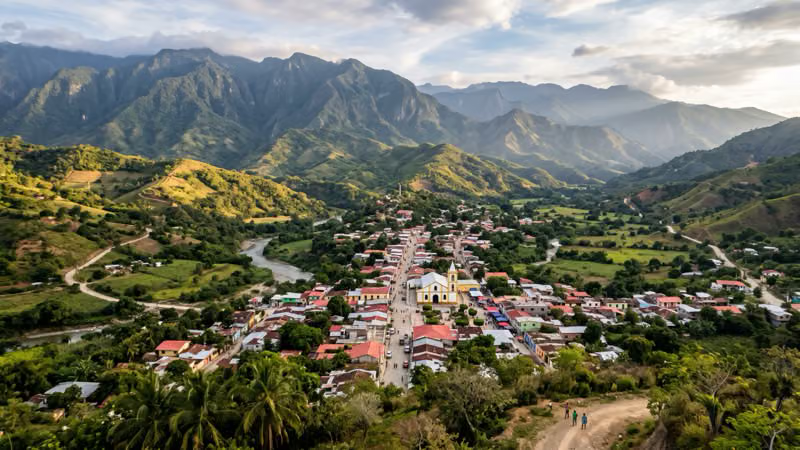 Comendador0.04M people · 196 sunny days / yr
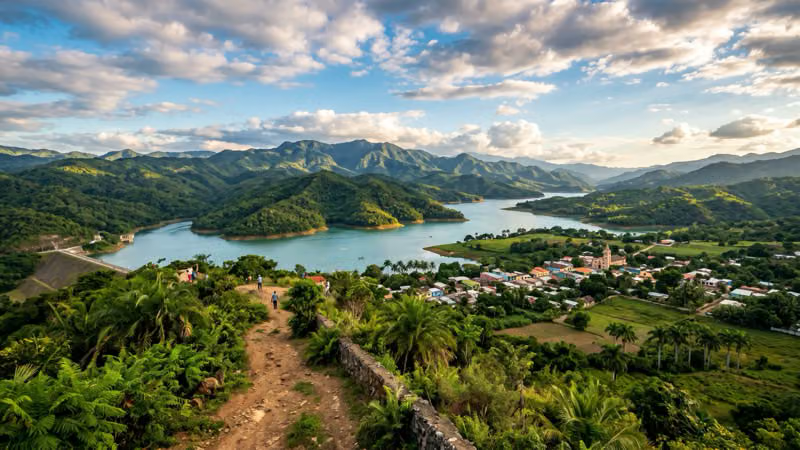 Cotuí0.04M people · 163 sunny days / yr
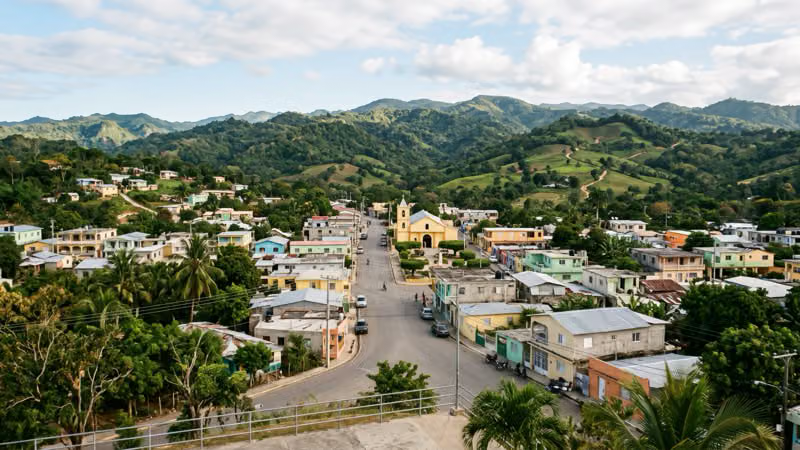 Hato Mayor del Rey0.04M people · 184 sunny days / yr
Subdivisions of Dominican Republic
See all 32 subdivisions side by side →

Frequently asked questions
What is the best time to visit Dominican Republic?
Dominican Republic does not have a clear sunny-and-dry window by our cutoffs. The warmest month is June at 27°C / 80.6°F, and the driest is February at 55 mm / 2.2 in — likely your best travel window.
What is the climate of Dominican Republic?
Dominican Republic has country-wide monthly average temperatures ranging from 23°C / 73.4°F in January to 27°C / 80.6°F in June. Annual rainfall averages about 1235 mm / 48.6 in, with the wettest month being November (140 mm / 5.5 in) and the driest February (55 mm / 2.2 in). Regional variation within Dominican Republic can be significant — see subdivision or city pages for detail.
What is the hottest month in Dominican Republic?
The hottest month in Dominican Republic is June, with a country-wide average temperature of 27°C / 80.6°F.
What is the coldest month in Dominican Republic?
The coldest month in Dominican Republic is January, with a country-wide average temperature of 23°C / 73.4°F.
When does it rain most in Dominican Republic?
The wettest month in Dominican Republic is November, averaging about 140 mm / 5.5 in of rain. The driest is February with about 55 mm / 2.2 in.
How many sunny days does Dominican Republic get?
Dominican Republic averages around 206 sunny days per year. The sunniest month is January (18 sunny days out of 31), and the cloudiest is April (15 sunny days). These are derived from ECMWF ERA5 reanalysis radiation fields (1991–2020), calibrated against published climate normals.
About the climate in Dominican Republic
Located in Caribbean, America, Dominican Republic has a consistently warm climate. Country-wide average temperatures range from 23°C / 73.4°F in January to 27°C / 80.6°F in June, with annual rainfall totalling around 1235 mm / 48.6 in — driest in February (55 mm / 2.2 in), wettest in November (140 mm / 5.5 in). Dominican Republic averages about 206 sunny days a year, peaking in January (18) and lowest in April (15). These are national averages; regional variation can be substantial, especially in geographically diverse countries. For city-level detail see the cities section below, and for state or province breakdowns follow the subdivisions link if available.