
Country-wide average for Switzerland.
Climate by state / province
Month-by-month details
Best time to visit Switzerland →| Month | TemperatureTemp | RainfallRain | Sunny daysSun | |
|---|---|---|---|---|
| January | 0.1°C32.2°F | 82 mm3.2″ | 13/31 | |
| February | 1.1°C34°F | 78 mm3.1″ | 12/29 | |
| March | 4.9°C40.8°F | 85 mm3.3″ | 13/31 | |
| April | 8.8°C47.8°F | 92 mm3.6″ | 11/30 | |
| May | 13.1°C55.6°F | 118 mm4.6″ | 11/31 | |
| June | 16.4°C61.5°F | 132 mm5.2″ | 12/30 | |
| July | 18.5°C65.3°F | 128 mm5″ | 12/31 | |
| August | 18°C64.4°F | 125 mm4.9″ | 12/31 | |
| September | 14.3°C57.7°F | 105 mm4.1″ | 11/30 | |
| October | 9.8°C49.6°F | 92 mm3.6″ | 10/31 | |
| November | 4.4°C39.9°F | 95 mm3.7″ | 11/30 | |
| December | 1.2°C34.2°F | 88 mm3.5″ | 13/31 |
Major cities in Switzerland
Point-value climate at each city — more relevant to travellers than the national average.
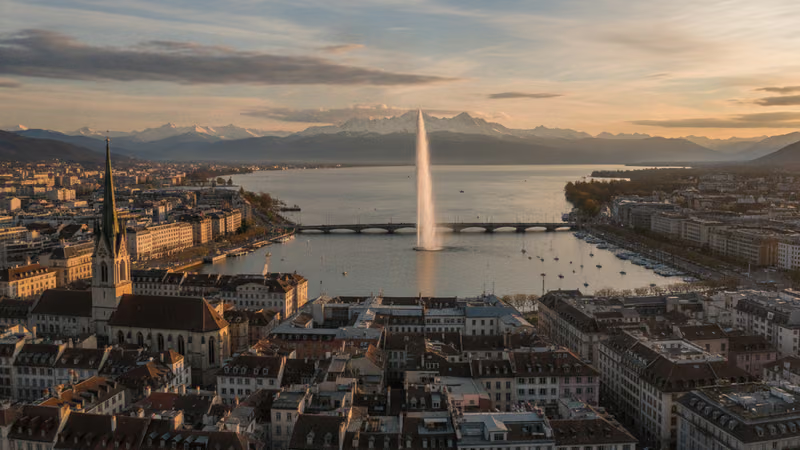 Geneva1.24M people · 131 sunny days / yr
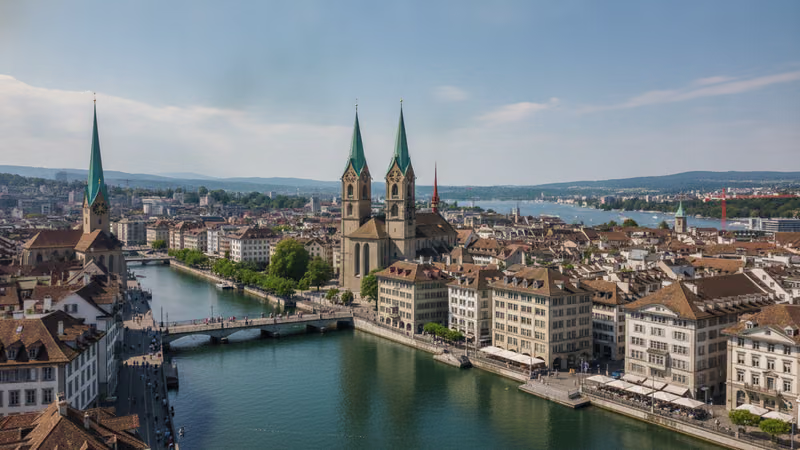 Zürich1.11M people · 130 sunny days / yr
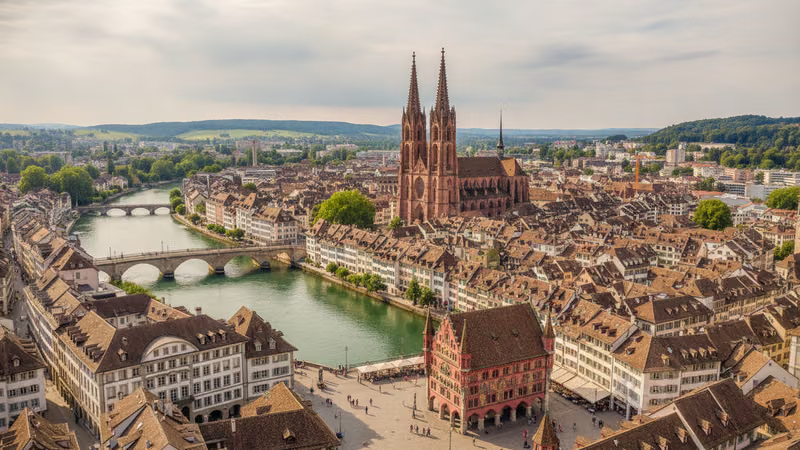 Basel0.83M people · 120 sunny days / yr
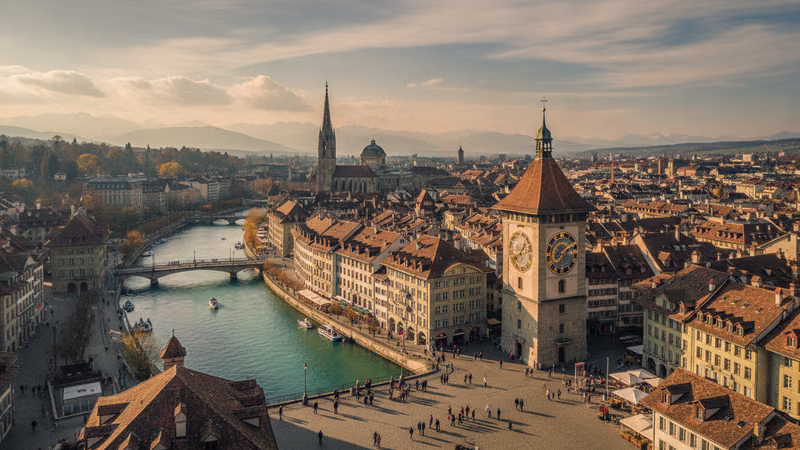 Bern0.28M people · 123 sunny days / yr
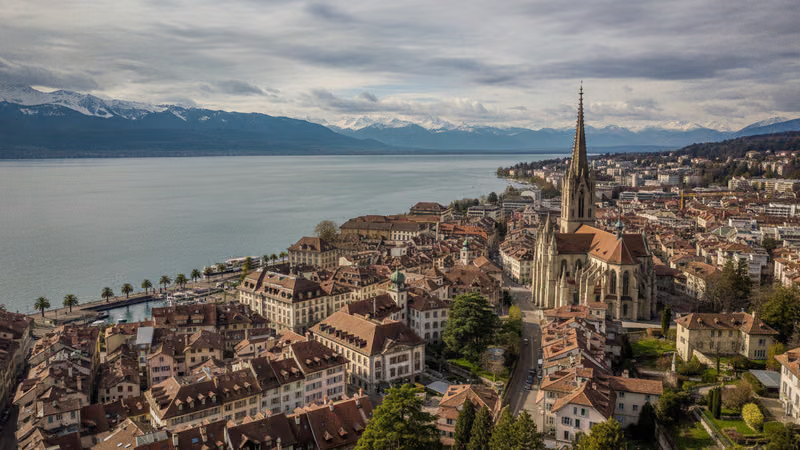 Lausanne0.27M people · 126 sunny days / yr
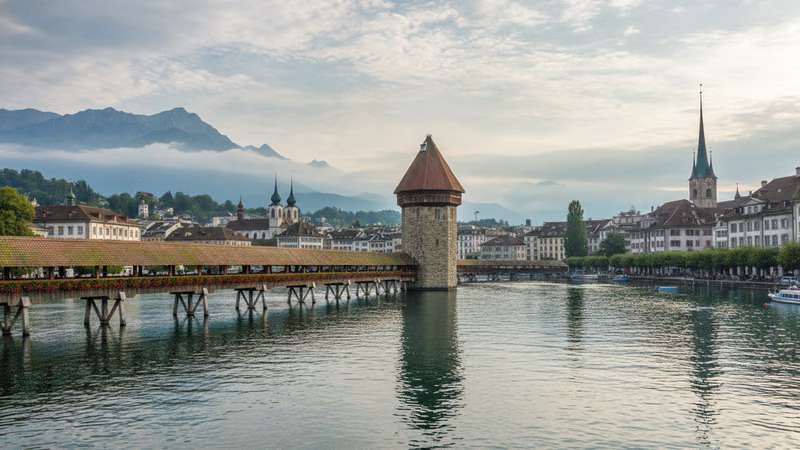 Lucerne0.25M people · 124 sunny days / yr
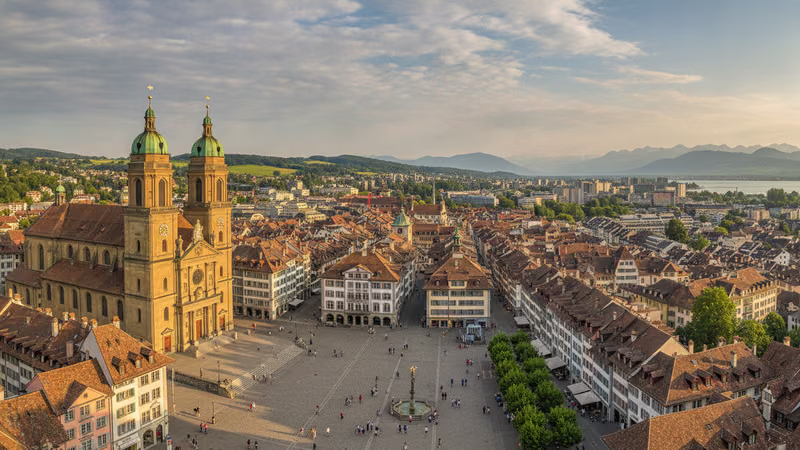 St. Gallen0.07M people · 129 sunny days / yr
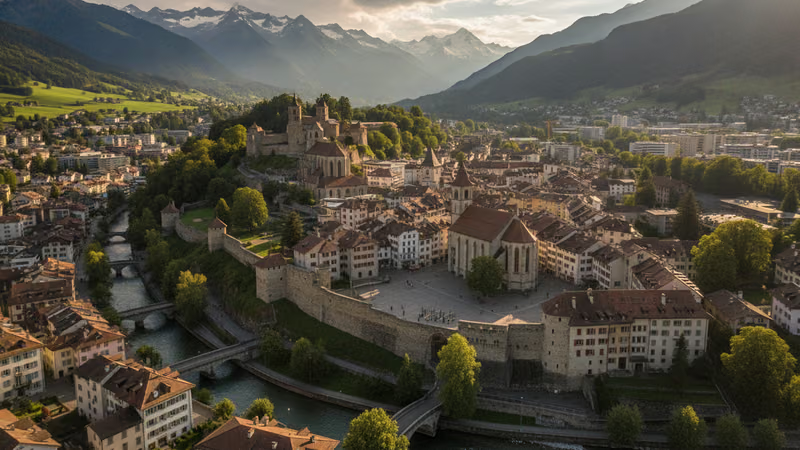 Chur0.04M people · 146 sunny days / yr
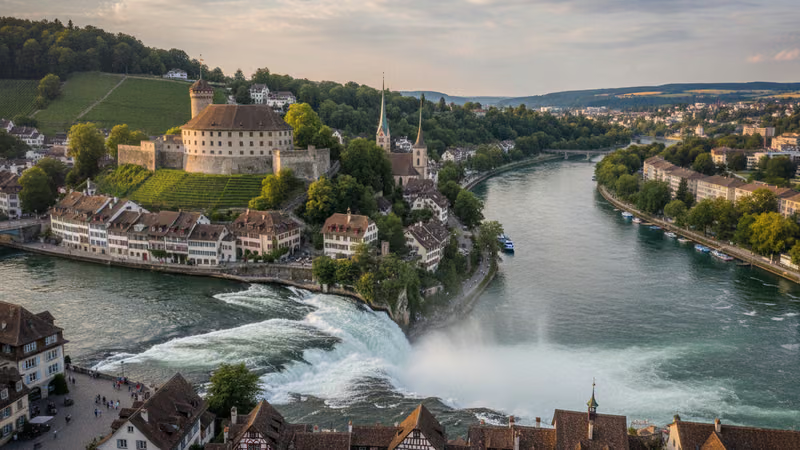 Schaffhausen0.03M people · 127 sunny days / yr
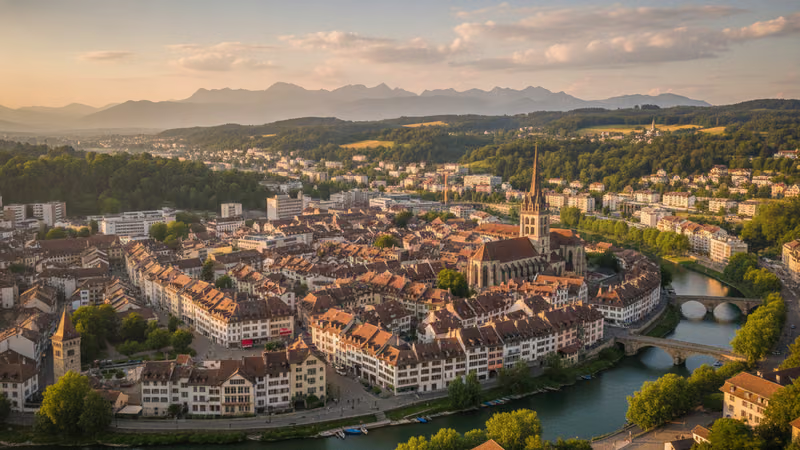 Fribourg0.03M people · 134 sunny days / yr
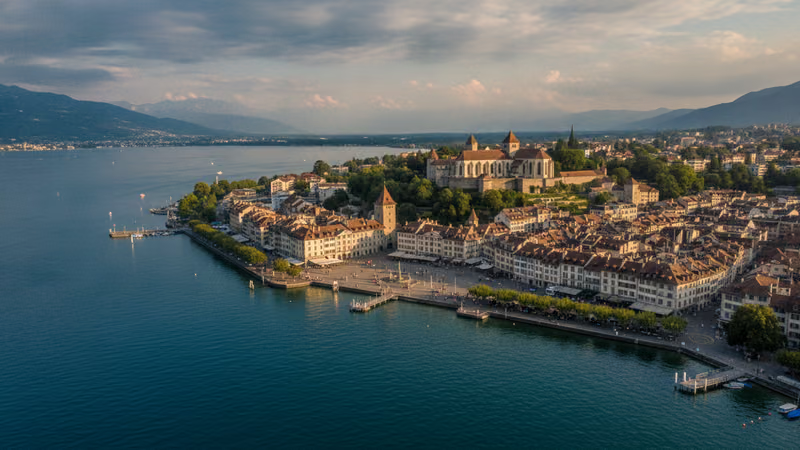 Neuchâtel0.03M people · 129 sunny days / yr
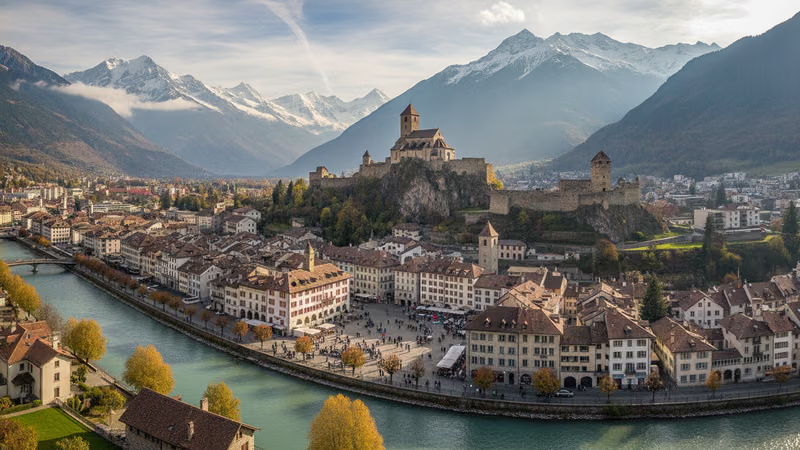 Sion0.03M people · 147 sunny days / yr
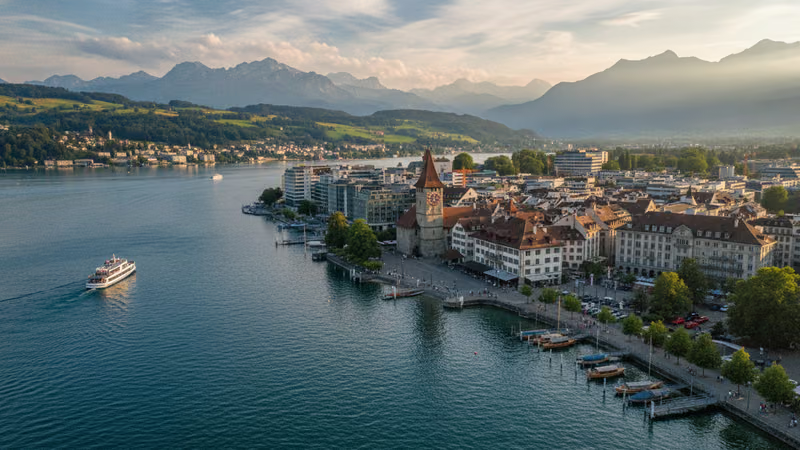 Zug0.02M people · 126 sunny days / yr
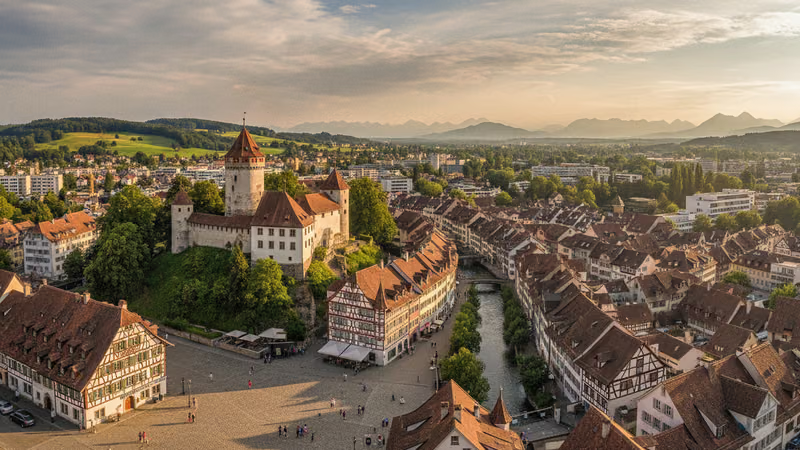 Frauenfeld0.02M people · 128 sunny days / yr
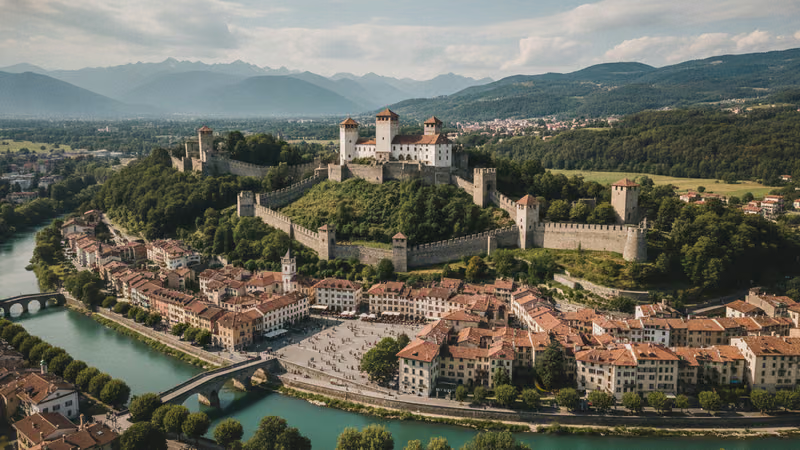 Bellinzona0.02M people · 142 sunny days / yr
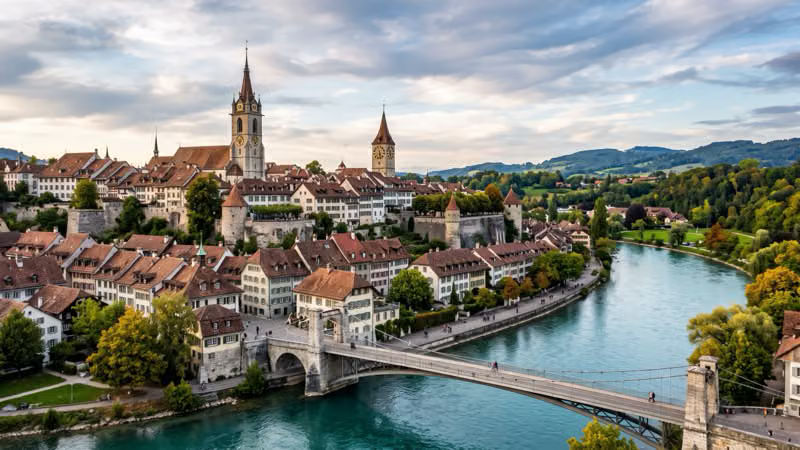 Aarau0.02M people · 125 sunny days / yr
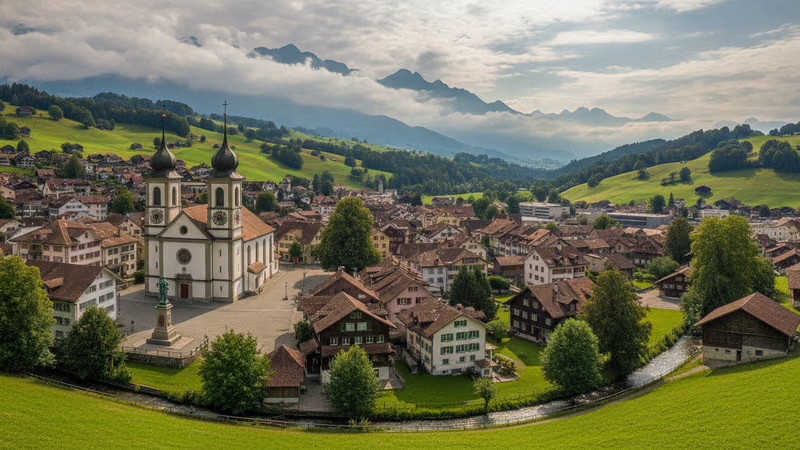 Herisau0.02M people · 129 sunny days / yr
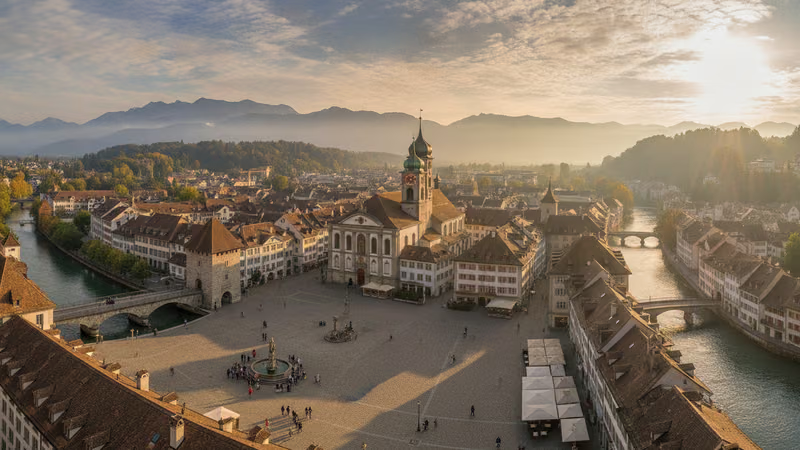 Solothurn0.01M people · 120 sunny days / yr
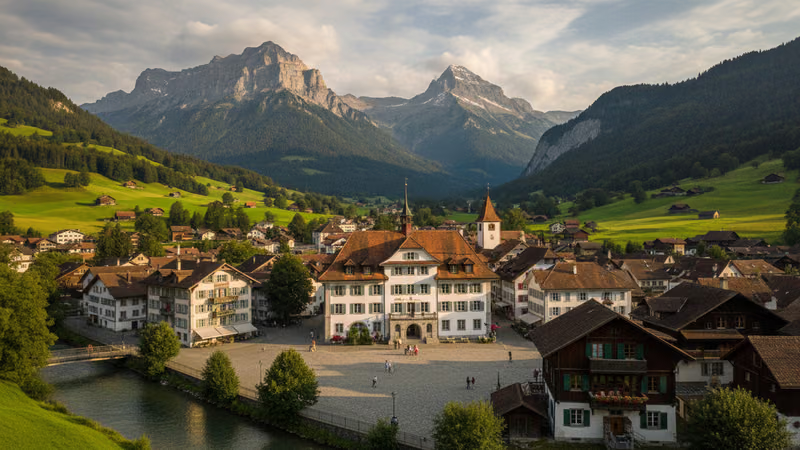 Schwyz0.01M people · 134 sunny days / yr
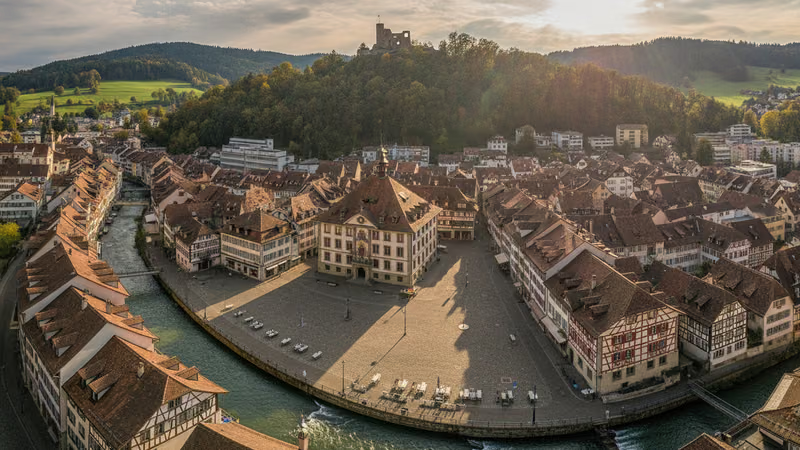 Liestal0.01M people · 121 sunny days / yr
Subdivisions of Switzerland
See all 26 subdivisions side by side →
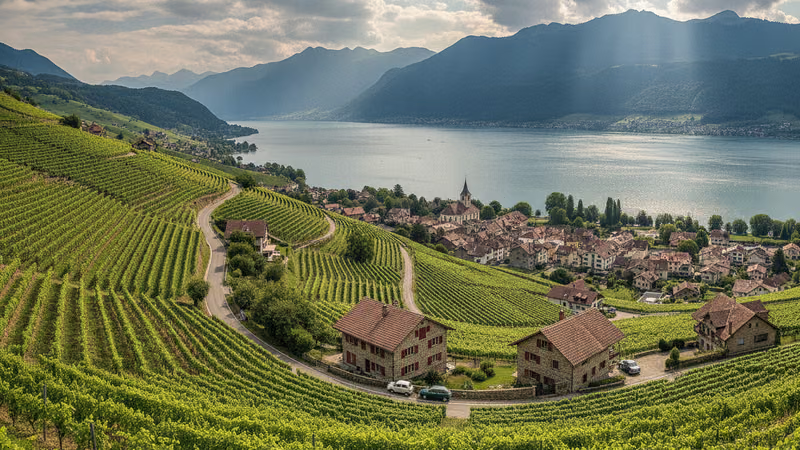
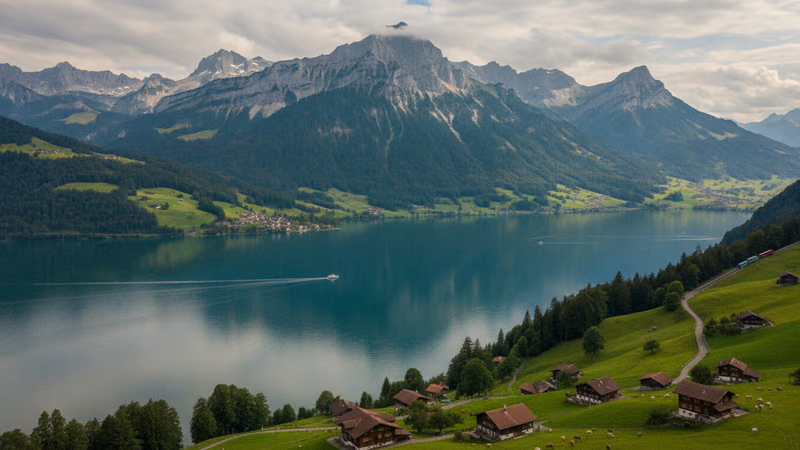
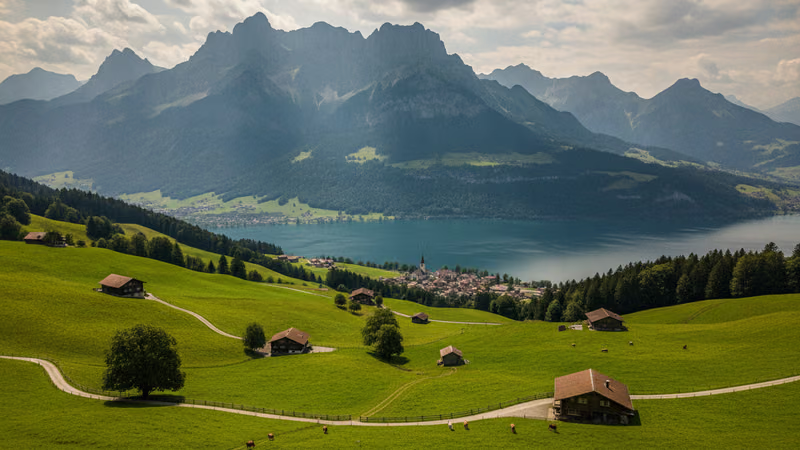
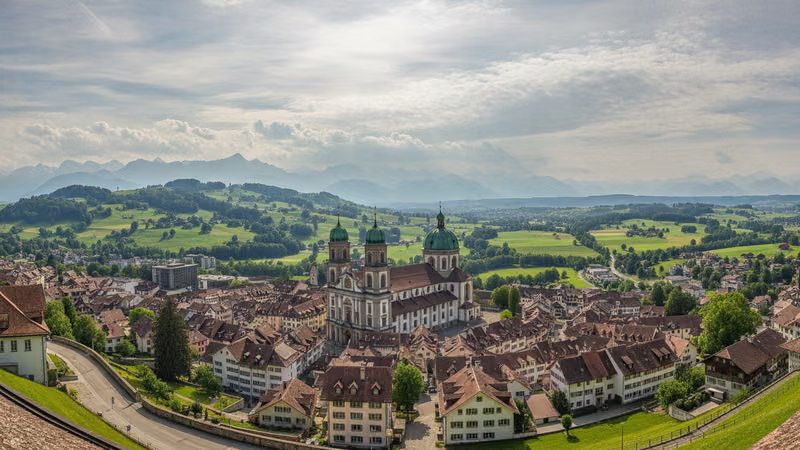

Frequently asked questions
What is the best time to visit Switzerland?
Switzerland does not have a clear sunny-and-dry window by our cutoffs. The warmest month is July at 18.5°C / 65.3°F, and the driest is February at 78 mm / 3.1 in — likely your best travel window.
What is the climate of Switzerland?
Switzerland has country-wide monthly average temperatures ranging from 0.1°C / 32.2°F in January to 18.5°C / 65.3°F in July. Annual rainfall averages about 1220 mm / 48 in, with the wettest month being June (132 mm / 5.2 in) and the driest February (78 mm / 3.1 in). Regional variation within Switzerland can be significant — see subdivision or city pages for detail.
What is the hottest month in Switzerland?
The hottest month in Switzerland is July, with a country-wide average temperature of 18.5°C / 65.3°F.
What is the coldest month in Switzerland?
The coldest month in Switzerland is January, with a country-wide average temperature of 0.1°C / 32.2°F.
When does it rain most in Switzerland?
The wettest month in Switzerland is June, averaging about 132 mm / 5.2 in of rain. The driest is February with about 78 mm / 3.1 in.
How many sunny days does Switzerland get?
Switzerland averages around 141 sunny days per year. The sunniest month is January (13 sunny days out of 31), and the cloudiest is October (10 sunny days). These are derived from ECMWF ERA5 reanalysis radiation fields (1991–2020), calibrated against published climate normals.
About the climate in Switzerland
Located in Western Europe, Europe, Switzerland has a seasonal climate. Country-wide average temperatures range from 0.1°C / 32.2°F in January to 18.5°C / 65.3°F in July, with annual rainfall totalling around 1220 mm / 48 in — driest in February (78 mm / 3.1 in), wettest in June (132 mm / 5.2 in). Switzerland averages about 141 sunny days a year, peaking in January (13) and lowest in October (10). These are national averages; regional variation can be substantial, especially in geographically diverse countries. For city-level detail see the cities section below, and for state or province breakdowns follow the subdivisions link if available.