
Area-weighted average across New South Wales. For where people actually live and travel, see the cities below.
Month-by-month details
| Month | TemperatureTemp | RainfallRain | Sunny daysSun | |
|---|---|---|---|---|
| January | 24.8°C76.6°F | 66 mm2.6″ | 14/31 | |
| February | 24.5°C76.1°F | 54 mm2.1″ | 13/29 | |
| March | 22°C71.6°F | 49 mm1.9″ | 15/31 | |
| April | 17.7°C63.9°F | 42 mm1.7″ | 13/30 | |
| May | 13.9°C57°F | 47 mm1.9″ | 12/31 | |
| June | 10.5°C50.9°F | 39 mm1.5″ | 13/30 | |
| July | 9.6°C49.3°F | 39 mm1.5″ | 15/31 | |
| August | 11°C51.8°F | 37 mm1.5″ | 16/31 | |
| September | 13.9°C57°F | 38 mm1.5″ | 15/30 | |
| October | 17.4°C63.3°F | 48 mm1.9″ | 15/31 | |
| November | 20.4°C68.7°F | 48 mm1.9″ | 14/30 | |
| December | 23.4°C74.1°F | 51 mm2″ | 15/31 |
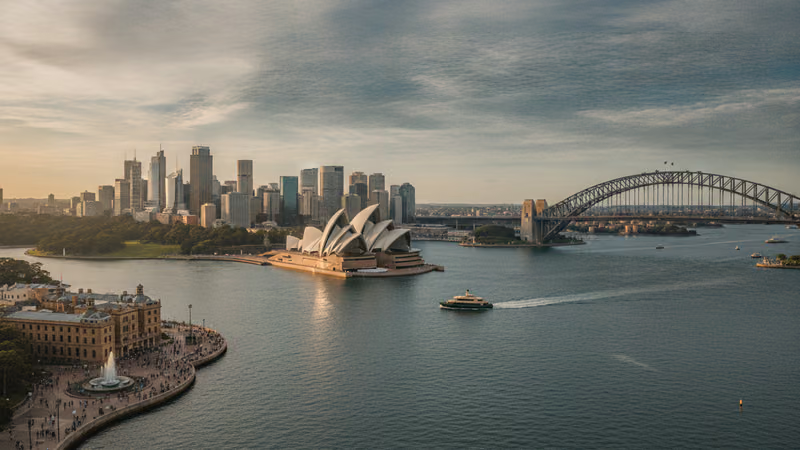
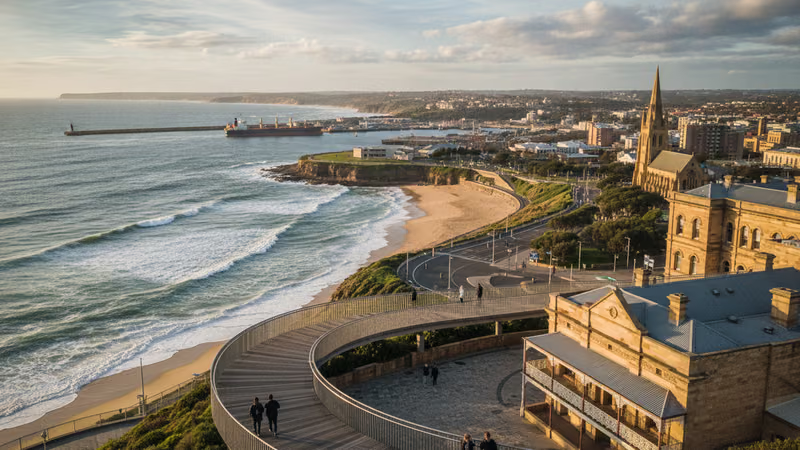
Cities in New South Wales
Point-value climate at each city — often quite different from the regional average.
More in Australia





Frequently asked questions
What is the best time to visit New South Wales?
The best months to visit New South Wales, Australia for sunny, dry weather are March, April, October, November. The warmest month is January at an area-wide average of 24.8°C / 76.6°F, and the driest is August with about 37 mm / 1.5 in of rainfall.
What is the climate of New South Wales?
New South Wales, Australia has area-weighted monthly average temperatures ranging from 9.6°C / 49.3°F in July to 24.8°C / 76.6°F in January. Annual rainfall averages about 558 mm / 22 in, with the wettest month being January (66 mm / 2.6 in) and the driest August (37 mm / 1.5 in). Because this is an area average across the whole subdivision, local city values can differ substantially.
What is the hottest month in New South Wales?
The hottest month in New South Wales is January, with an area-wide average temperature of 24.8°C / 76.6°F.
What is the coldest month in New South Wales?
The coldest month in New South Wales is July, with an area-wide average temperature of 9.6°C / 49.3°F.
When does it rain most in New South Wales?
The wettest month in New South Wales is January, averaging about 66 mm / 2.6 in of rainfall. The driest is August with about 37 mm / 1.5 in.
How many sunny days does New South Wales get?
New South Wales averages around 170 sunny days per year. The sunniest month is August (16 sunny days out of 31), and the cloudiest is May (12 sunny days). These are derived from ECMWF ERA5 reanalysis radiation fields (1991–2020), calibrated against published climate normals.
About the climate in New South Wales
New South Wales, a subdivision of Australia, has a seasonal climate on average. Area-weighted monthly temperatures across the whole territory range from 9.6°C / 49.3°F in July to 24.8°C / 76.6°F in January, with rainfall from 37 mm / 1.5 in to 66 mm / 2.6 in depending on the season (558 mm / 22 in total across the year). New South Wales averages about 170 sunny days a year, peaking in August (16) and lowest in May (12). See the 2 cities listed below for point-value climate at specific locations — these often differ from the area-weighted average, especially in geographically diverse subdivisions.