
Country-wide average for Nigeria.
Climate by state / province
Month-by-month details
Best time to visit Nigeria →| Month | TemperatureTemp | RainfallRain | Sunny daysSun | |
|---|---|---|---|---|
| January | 26°C78.8°F | 10 mm0.4″ | 26/31 | + |
| February | 28°C82.4°F | 25 mm1″ | 20/29 | |
| March | 28.5°C83.3°F | 72 mm2.8″ | 19/31 | |
| April | 28°C82.4°F | 125 mm4.9″ | 15/30 | |
| May | 27.5°C81.5°F | 175 mm6.9″ | 13/31 | |
| June | 26.5°C79.7°F | 225 mm8.9″ | 9/30 | |
| July | 25.5°C77.9°F | 245 mm9.6″ | 7/31 | |
| August | 25.5°C77.9°F | 215 mm8.5″ | 11/31 | |
| September | 25.5°C77.9°F | 255 mm10″ | 15/30 | |
| October | 26°C78.8°F | 165 mm6.5″ | 23/31 | |
| November | 27°C80.6°F | 35 mm1.4″ | 26/30 | |
| December | 26°C78.8°F | 12 mm0.5″ | 28/31 | + |
Major cities in Nigeria
Point-value climate at each city — more relevant to travellers than the national average.
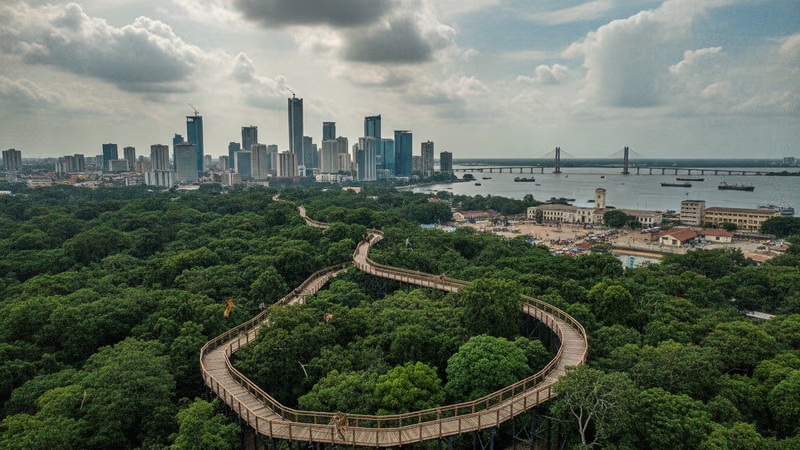 Lagos9.47M people · 134 sunny days / yr
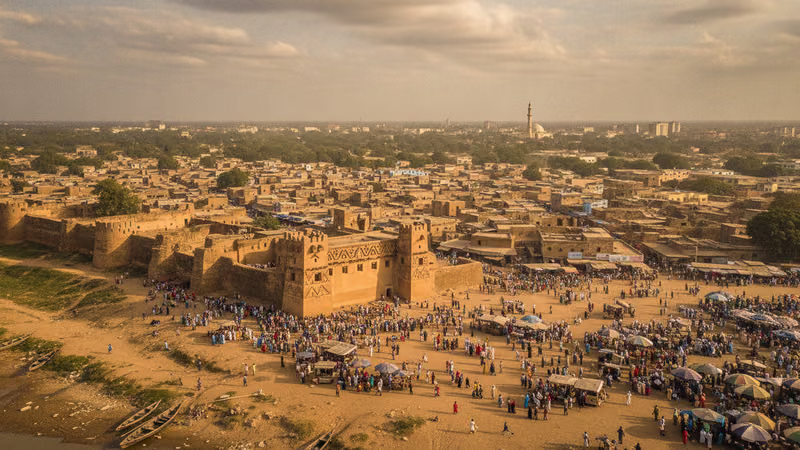 Kano3.14M people · 289 sunny days / yr
- Ibadan2.63M people · 134 sunny days / yr
- Abuja1.58M people · 188 sunny days / yr
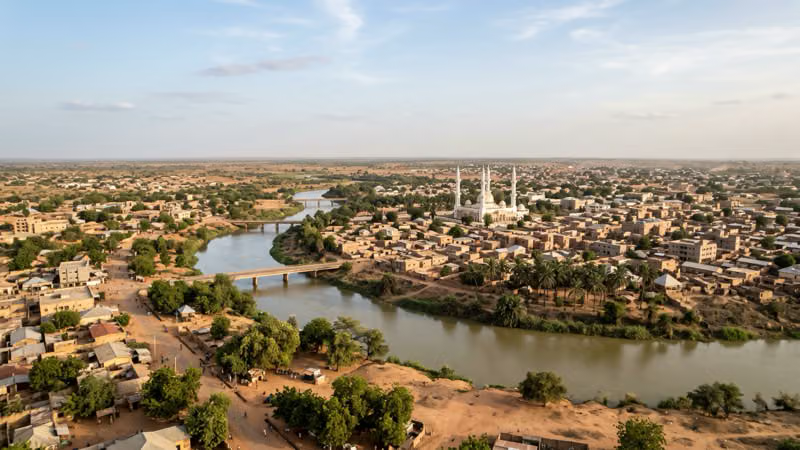 Kaduna1.44M people · 229 sunny days / yr
 Benin City1.19M people · 112 sunny days / yr
 Ikare1.10M people · 154 sunny days / yr
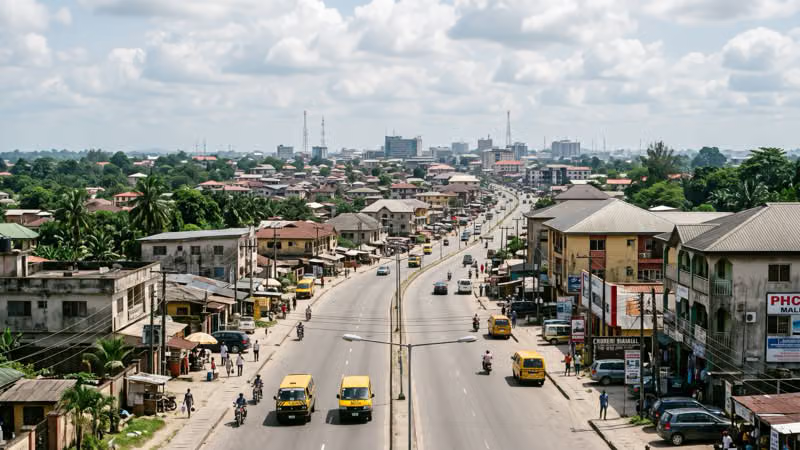 Port Harcourt1.02M people · 105 sunny days / yr
 Ogbomosho0.95M people · 167 sunny days / yr
 Aba0.90M people · 105 sunny days / yr
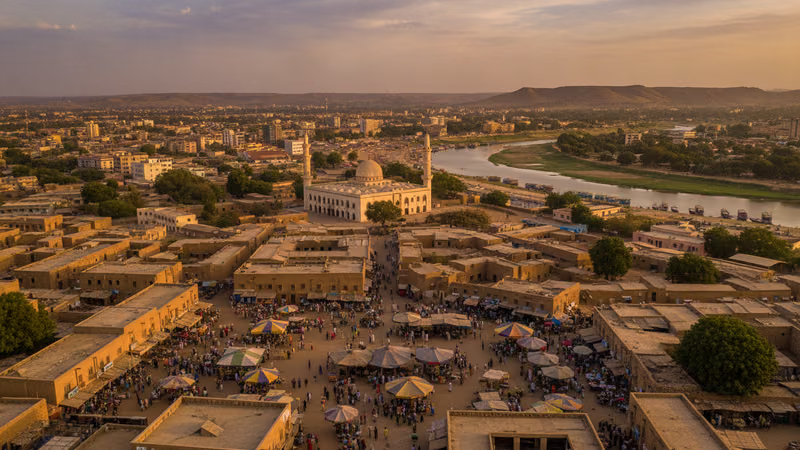 Maiduguri0.90M people · 289 sunny days / yr
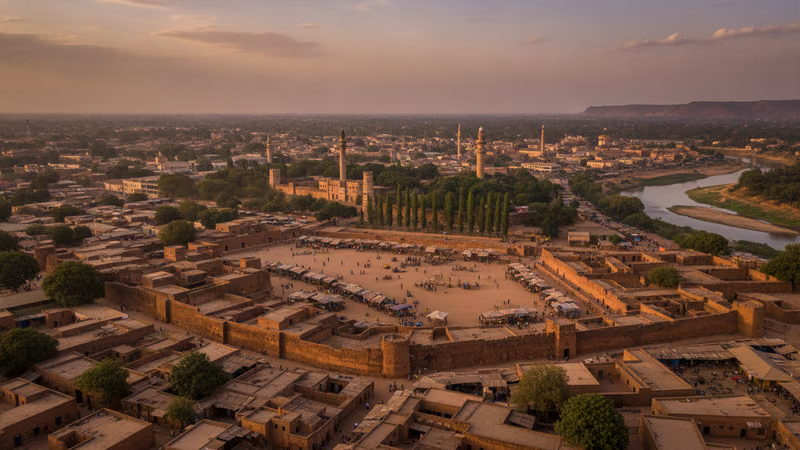 Zaria0.89M people · 251 sunny days / yr
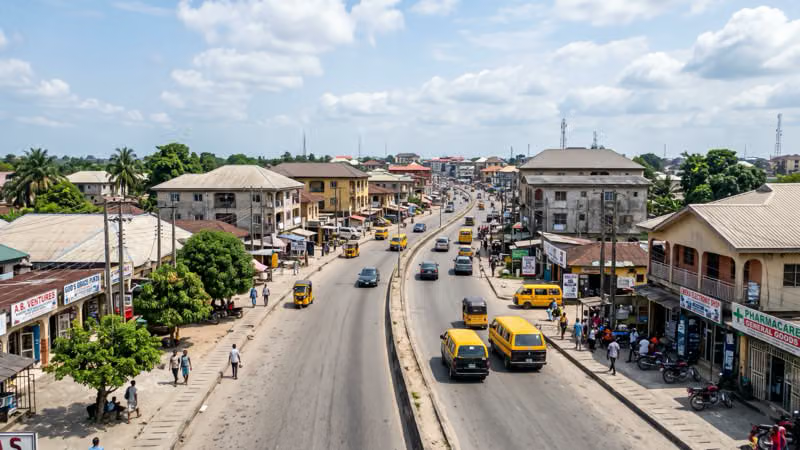 Warri0.83M people · 101 sunny days / yr
 Jos0.82M people · 242 sunny days / yr
 Ilorin0.77M people · 185 sunny days / yr
 Oyo0.74M people · 144 sunny days / yr
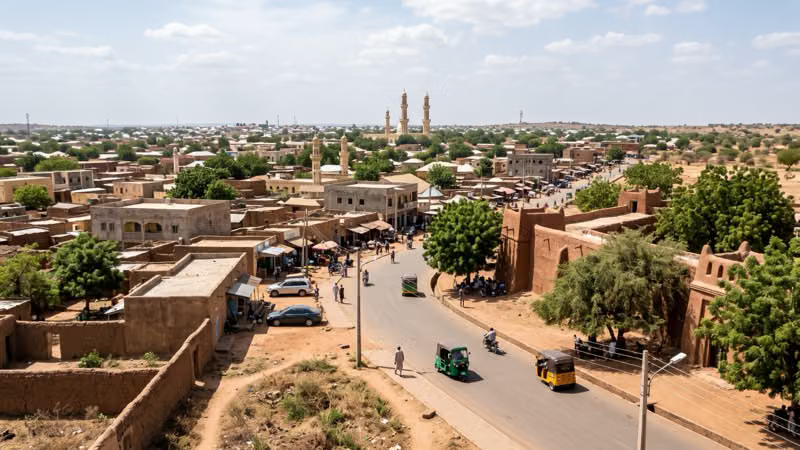 Sokoto0.73M people · 288 sunny days / yr
 Enugu0.69M people · 139 sunny days / yr
 Abeokuta0.59M people · 133 sunny days / yr
 Uyo0.55M people · 105 sunny days / yr


Subdivisions of Nigeria
See all 37 subdivisions side by side →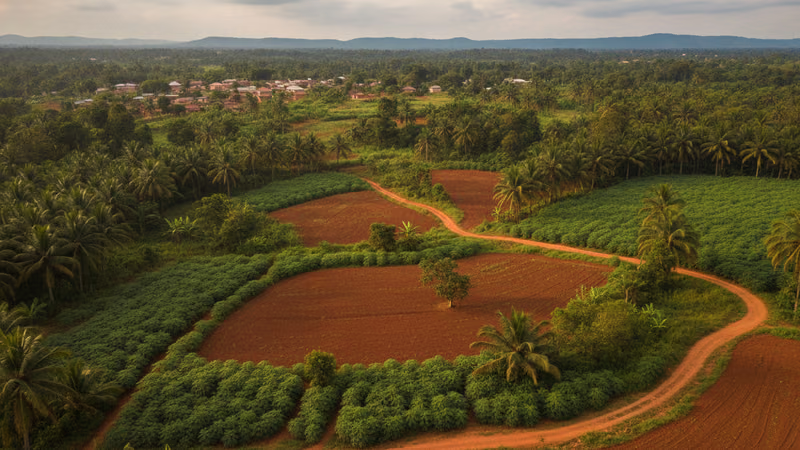




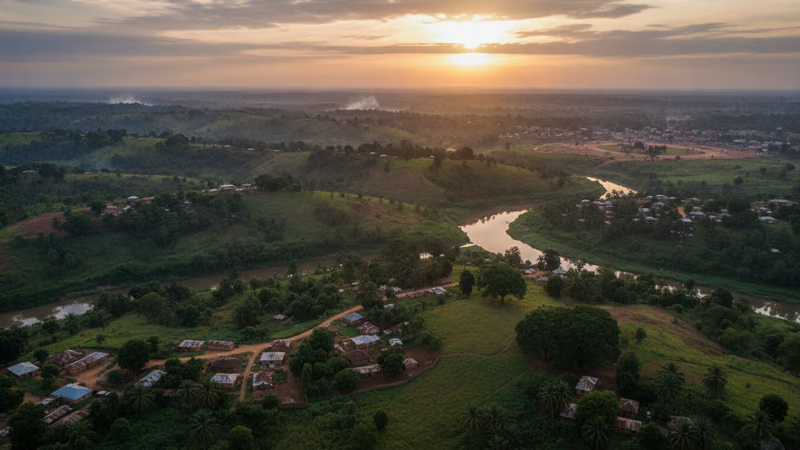
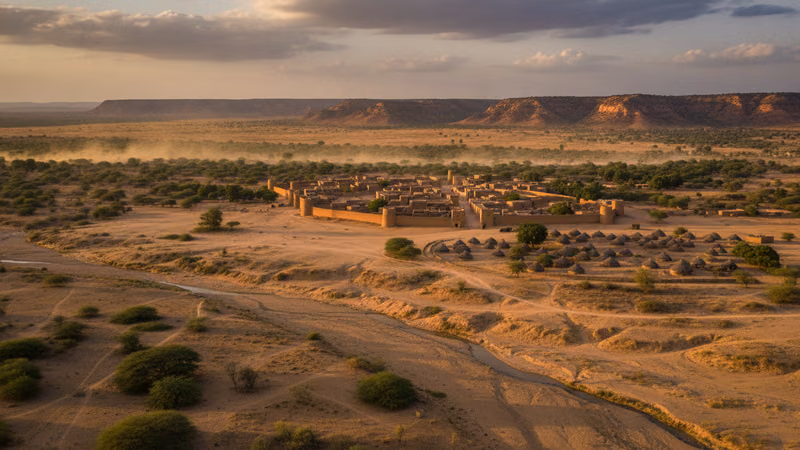







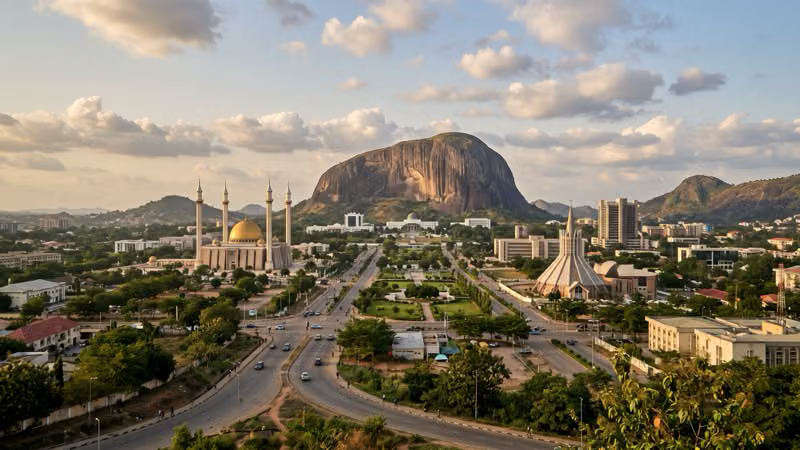




Frequently asked questions
What is the best time to visit Nigeria?
The best months to visit Nigeria for sunny, dry weather are January, February, November, December. The warmest month is March (28.5°C / 83.3°F average), and the driest is January (~10 mm / 0.4 in rainfall).
What is the climate of Nigeria?
Nigeria has country-wide monthly average temperatures ranging from 25.5°C / 77.9°F in July to 28.5°C / 83.3°F in March. Annual rainfall averages about 1559 mm / 61.4 in, with the wettest month being September (255 mm / 10 in) and the driest January (10 mm / 0.4 in). Regional variation within Nigeria can be significant — see subdivision or city pages for detail.
What is the hottest month in Nigeria?
The hottest month in Nigeria is March, with a country-wide average temperature of 28.5°C / 83.3°F.
What is the coldest month in Nigeria?
The coldest month in Nigeria is July, with a country-wide average temperature of 25.5°C / 77.9°F.
When does it rain most in Nigeria?
The wettest month in Nigeria is September, averaging about 255 mm / 10 in of rain. The driest is January with about 10 mm / 0.4 in.
How many sunny days does Nigeria get?
Nigeria averages around 212 sunny days per year. The sunniest month is December (28 sunny days out of 31), and the cloudiest is July (7 sunny days). These are derived from ECMWF ERA5 reanalysis radiation fields (1991–2020), calibrated against published climate normals.
About the climate in Nigeria
Located in Western Africa, Africa, Nigeria has a tropical climate. Country-wide average temperatures range from 25.5°C / 77.9°F in July to 28.5°C / 83.3°F in March, with annual rainfall totalling around 1559 mm / 61.4 in — driest in January (10 mm / 0.4 in), wettest in September (255 mm / 10 in). Nigeria averages about 212 sunny days a year, peaking in December (28) and lowest in July (7). These are national averages; regional variation can be substantial, especially in geographically diverse countries. For city-level detail see the cities section below, and for state or province breakdowns follow the subdivisions link if available.